













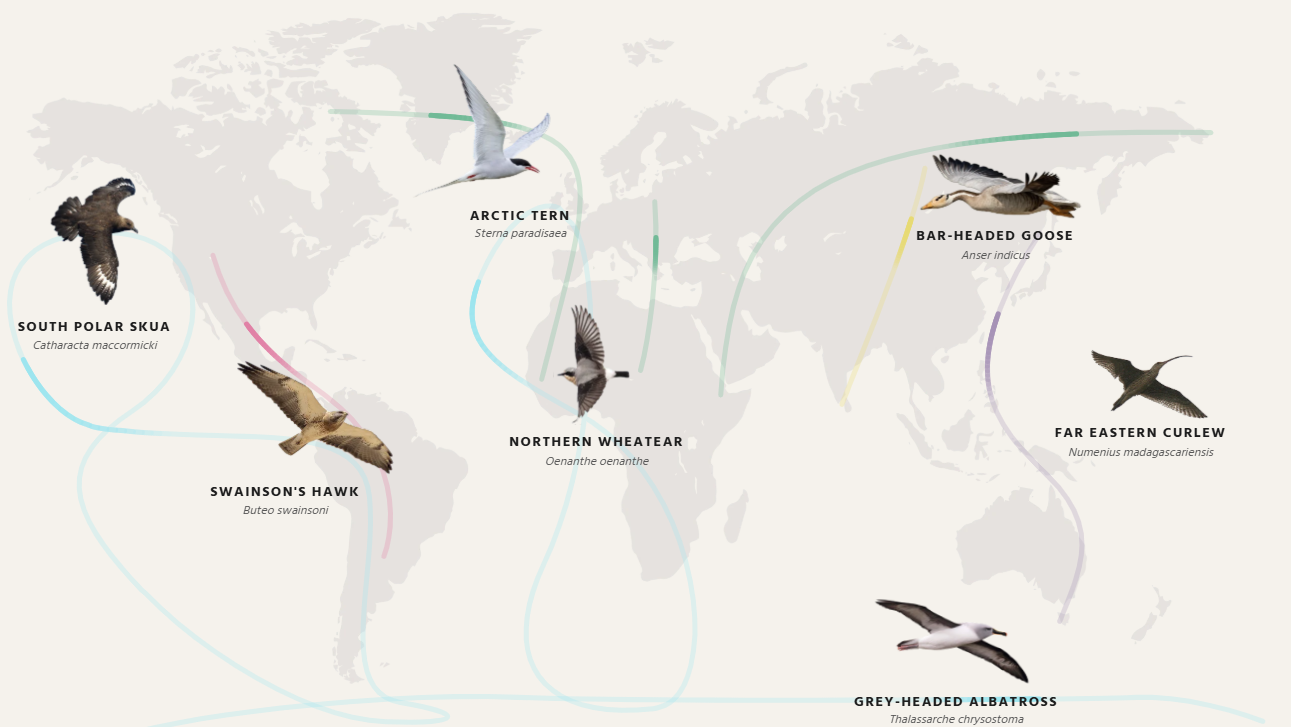
Every year, billions of birds embark on epic journeys across continents, chasing breeding grounds, food, and milder climates. The latest State of the World’s Birds report from BirdLife International, released this week at a global conservation summit in Nairobi, reveals a stark reality: 45 per cent of migratory bird species are in decline, and 11 per cent are now classified as threatened with extinction. The findings come from a comprehensive assessment of 1,300 migratory species spanning the Americas, Europe, Africa, Asia, and Oceania.
Why this matters extends far beyond simple conservation. Migratory birds are ecological linchpins—pollinating plants, dispersing seeds, controlling insect populations, and serving as vital indicators of overall ecosystem health. Their massive seasonal movements knit together habitats thousands of miles apart, meaning a collapse in one region can ripple through entire food webs. Moreover, many of the species on the brink are culturally iconic—such as the Arctic tern and the bar-tailed godwit—making their loss a blow to both biological diversity and human heritage.
Habitat loss and infrastructure threaten continental flyways
The report attributes the downturn to a compounding array of threats, including habitat loss from agricultural expansion and urban sprawl, climate-driven shifts in food availability, illegal hunting along key flyways, and soaring collision risks with wind turbines and skyscrapers.
Read also: Endangered Dolphins Defy Death in Bangladesh’s Toxic Buriganga
Despite these compounding pressures, report authors stress that the trajectory is not irreversible. Conservation successes along the East Asian–Australasian Flyway—where coordinated wetland restoration in China, South Korea, and Japan boosted numbers of the endangered black stilt—demonstrate that targeted action produces measurable results. Similarly, newly established bird-friendly building guidelines in Europe have reduced collision deaths by 30 per cent in pilot cities.
BirdLife outlines urgent multinational framework for flyway security
To halt further declines, BirdLife International advocates for a coordinated multinational response focused on several priority actions: Protecting critical stopover sites along international migration corridors, expanding climate-resilient habitats to buffer environmental shifts, enforcing stricter anti-poaching legislation along active flyways and integrating bird-safety standards directly into national infrastructure planning.
Read also: Earth’s Natural Systems Are Accelerating Global Warming, Scientists Warn
The report also urges citizens to support citizen-science programmes that track migration patterns, providing the empirical data required for swift policy changes. If governments, non-governmental organisations, and local communities unite around these recommendations, the downward trend can be reversed, safeguarding the aerial routes that these species have depended on for millennia.