







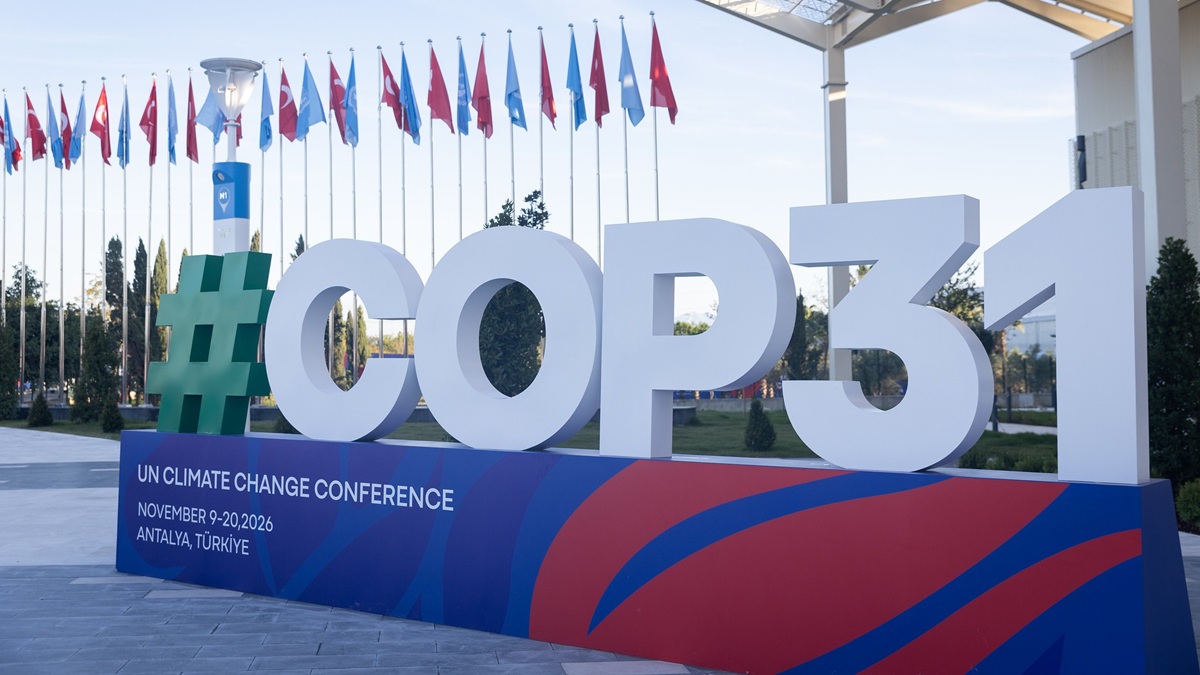
As negotiators gather in Antalya, Türkiye, for the COP31 climate summit beginning Monday, Nigeria is presenting its most ambitious financial request to date: a staggering $336.5 billion investment package needed to fund its climate mitigation and adaptation goals over the next decade.
The figure, covering the period from 2026 to 2035, was announced by Tenioye Majekodunmi, Director-General of Nigeria’s National Council on Climate Change (NCCC), during a pre-summit press briefing in Abuja on October 29. The funding is split between $195 billion for emissions reduction** and **$141.5 billion for climate adaptation, with the goal of stimulating job creation and economic resilience in energy, agriculture, and infrastructure.
“This scale demonstrates that the NDC isn’t a list of costs; it’s a $336.5 billion investment prospectus for the Nigerian economy,” Majekodunmi stated.
A unified African demand for finance reform
Nigeria is not making this push alone. As a key member of the African Group of Negotiators (AGN), the country is backing a broader continental effort to overhaul how climate finance is distributed. The AGN is formally requesting a tripling of adaptation funding and a significant replenishment of the Green Climate Fund (GCF).
Speaking on the sidelines of the pre-COP31 meetings, AGN Chair Nana Antwi-Amoah emphasized that the summit in Türkiye is a crucial stepping stone toward COP32, which he described as “an African call.” He pointed out that while the Paris Agreement has established frameworks for carbon markets and national climate plans, developing nations are still blocked by financial barriers.
“The key question now is: where is the money? Where is the financial ambition to help us implement those commitments that we are asking as developing nations,” Antwi-Amoah said in a video posted to the AGN’s social media account.
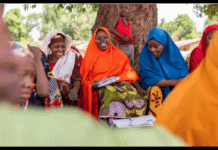
Read also: How Women’s Savings Groups Are Helping To Break Families Free From Poverty In Gashaka Gumti
He also criticized the adaptation finance agreement reached in Belém, noting that it lacks operational detail. The AGN is pushing for a new climate finance work programme to be added to the COP agenda, which would create a platform for discussing “credible,” concessional, and grant-based financing, particularly for adaptation. Antwi-Amoah acknowledged that support for this proposal is not yet guaranteed and that the group is consulting with other developing-country blocs before the agenda is formally adopted.
The debt dilemma and the “four Ds”
A central tension in the negotiations is how the funding will be structured. Majekodunmi noted that more than 80 percent of Nigeria’s required capital would need to come from private investment, commercial debt, and international carbon finance. However, the AGN maintains a firm stance that public finance for adaptation must not add to the debt burdens of developing countries.
For Nigeria, the ultimate test is delivery. Majekodunmi outlined the country’s framework for success at the summit, which she called the “Four Ds”: Dollars, Deals, Deliveries, and Dividends.
“Capital follows certainty,” she explained, stressing that Nigeria must use COP31 to showcase viable projects to development partners and private-sector investors.
She also framed the transition in human terms: “Nigeria’s climate transition will not be measured only in tonnes of carbon avoided. It will be measured in jobs created, businesses built and incomes improved.” Nigeria is targeting up to 840,000 net new jobs by 2060 as a result of its climate transition.
Antwi-Amoah noted that the AGN is coordinating its strategy but requires consensus from other negotiating blocs to succeed. “We normally do the difficult ones,” he said. “When we start, people might think, ‘Oh, this is very impossible.’ But at the end of the day, when you are able to explain the rationale, you get the support for others to come in.”