

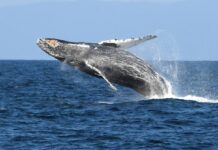





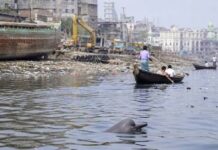





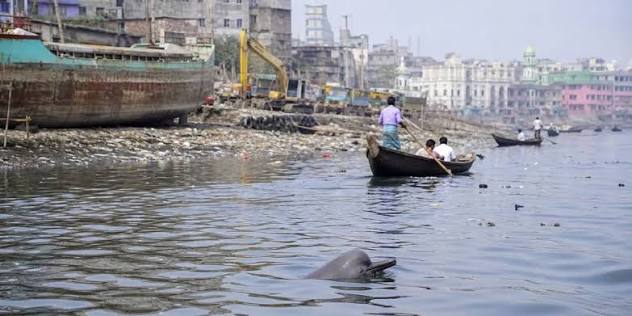
The iconic Ganges river dolphin, an endangered species, has been repeatedly sighted this summer in the Buriganga River, which snakes through Dhaka, Bangladesh’s bustling capital. Despite the 29-kilometre stretch being choked with untreated sewage, tannery runoff, and toxic waste from hundreds of factories, a small pod of dolphins continues to navigate its murky waters, offering a fragile sign of resilience in a river ranked among the most polluted on the planet.
Why the dolphins matter goes beyond their charismatic appeal. As apex predators, they serve as vital barometers of river health, and their survival hints at hidden pockets of biodiversity that could collapse without urgent action. The Buriganga, once a vital source of water and fish for Dhaka’s 20 million residents, now bears a cocktail of heavy metals, dyes, and organic pollutants that threaten human health, fisheries, and the broader ecosystem. The mammals’ presence underscores the urgent need to remediate the river before the entire food web is irrevocably damaged.
Industrial hazards threaten surviving pod
Bangladesh Biodiversity Trust conservationists have been monitoring the dolphins since 2022, documenting at least six individuals using boats and drones. Researchers note that the dolphins have adapted by feeding on hardy fish species that tolerate low-oxygen conditions.
Read also: Nigeria’s New Plastic Rules Put Producers on the Hook — Will Streets Notice?
However, the pod faces mounting hazards within the industrial corridor, including entanglement in discarded fishing nets, accidental capture in industrial intake pipes
and high risk of mortality from catastrophic chemical spills.
Urbanisation pressures trigger pilot remediation plans
The river’s plight stems from a legacy of rapid urbanisation. Over 200 textile and leather factories discharge untreated effluent directly into the water, while municipal sewage treatment facilities operate at less than 30 per cent capacity.
In response, the Dhaka City Corporation announced a pilot “Clean Buriganga” programme in August, aiming to install modular treatment units and enforce stricter effluent standards by 2028. Simultaneously, environmental non-governmental organisations are lobbying for a protected “Dolphin Sanctuary” zone along the river’s less industrialised stretch to secure a safer corridor for the mammals.
Read also: Earth’s Natural Systems Are Accelerating Global Warming, Scientists Warn
If these measures take root, the Buriganga could transform from a cautionary tale into a model of urban river restoration—one where endangered dolphins not only survive, but become ambassadors for a cleaner, healthier future for both people and wildlife.