
















Isle Royale’s wolves are inbred but likely to survive, study finds
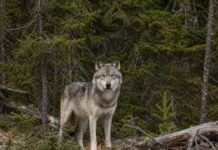
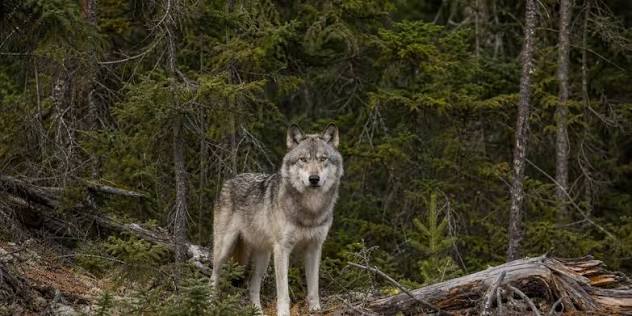
A new study of the wolves brought to Isle Royale in Lake Superior has found the population has a better than 80% chance of lasting another 20 years. The researchers warn that inbreeding and growing isolation from the mainland remain real concerns.
An international team that included National Park Service officials followed the translocated wolves for their first five years on the island. They published the results in Conservation Science and Practice, and Bridge Michigan and other outlets reported them on 30 September. In 2016, only a pair of inbred wolves that were not breeding remained. Between 2018 and 2019, the National Park Service brought in 19 wolves from Minnesota, Michigan and Ontario.
By the end of the study period in 2023, researchers estimated the island held 27 wolves. A separate Michigan Technological University survey counted 37 wolves in winter 2026, in three packs, a level the university says has not been seen since the 1970s. Sarah Hoy, a Michigan Tech researcher, said the numbers suggest the population is “doing OK”. She added that inbreeding and its effects remain a concern.
A family bond shaped the new packs
The study found that a brother and sister among the translocated wolves bonded soon after release, although 11 unrelated wolves were available as mates. The pair founded one of the island’s three packs and had at least 12 pups. Researchers estimated that every pup born during the study was related to that couple, their siblings or their parents. Releasing wolves that already knew each other helped packs form, the authors wrote. However, the dominance of one family group could complicate the population’s long-term genetic health.
Read also: Nigeria’s Eco-Lodges Face a New Test: Prove It, Don’t Just Claim It
Inbreeding matters because it likely contributed to the original collapse, alongside disease and malnutrition. What happened before 2016 is not entirely clear.
An island that is harder to reach
Wolves are thought to have reached Isle Royale in the 1940s by crossing an ice bridge from Canada. The study warns the island is becoming increasingly cut off from the mainland because of global warming, which limits the natural arrivals that once brought in fresh genes. Isle Royale is a 134,000-acre island in far western Lake Superior, and scientists have surveyed its wolves since 1958.
The moose, and the forest
Wolf numbers have recovered as moose have collapsed. Moose peaked at just over 2,000 in 2019, which raised concern about damage to the forest. By winter 2026 there were 524, a drop of about 75% and not far above the lowest count on record, 385 in 2007. For the first time in the survey’s 68 years, researchers saw no moose calves. Wolf predation is a major cause of moose deaths, and Hoy has said moose were also starving. Vegetation has yet to recover, and this summer’s research focused on balsam fir.
Read also: What To Expect At The Africa Climate Forum In Abuja
Visitor behaviour has emerged as another concern. Mark Romanski, an Isle Royale National Park biologist who worked on the study, said so, and a park statement in July described a wolf pawing at tents and entering one in a campground. The coverage reviewed does not say whether further wolf introductions are planned.