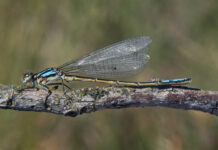










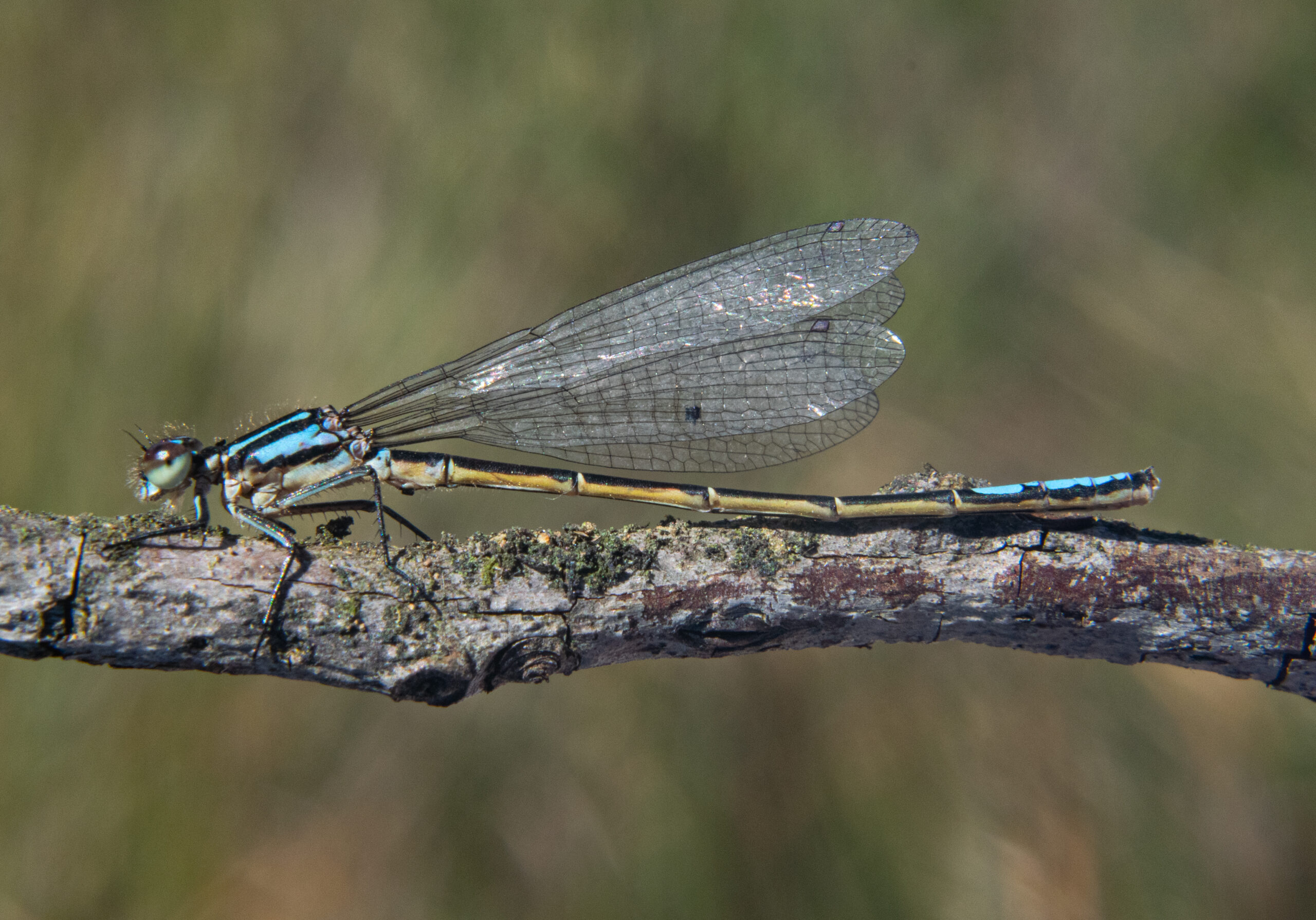
Researchers cataloguing dragonflies in Colombia’s remote Guainía region have uncovered a startling surge in biodiversity, thanks to the linguistic expertise of Indigenous peoples. Where the scientific record once listed only about ten species, collaboration with local communities has identified nearly 120 distinct dragonflies, each receiving new names in nearly forgotten native tongues. Highlighted in Mongabay’s “Founder’s Briefs” by Rhett Ayers Butler, Mongabay founder, the breakthrough underscores how traditional knowledge can rewrite the understanding of ecosystems.
The discovery matters because dragonflies serve as vital bioindicators—highly sensitive to water quality, climate shifts, and habitat health. A richer species inventory signals both hidden ecological complexity and the urgent need to protect these freshwater habitats from deforestation, mining, and climate change. Moreover, the project revives Indigenous languages that are at risk of disappearing, directly linking cultural preservation with environmental stewardship.
Collaborative taxonomy uncovers dozens of unrecorded species
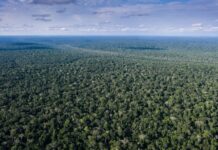
The effort began when entomologists entered Guainía, a sparsely populated department bordering Venezuela and Brazil, armed with standard taxonomic keys.
“When we started, very little was known,” says Yiselle Mendoza, lead researcher.
Mendoza spent months living with the Puinave, Tikuna, and Huitoto peoples. The scientists quickly realised that the locals identified insects far beyond limited scientific categories. By recording oral histories, folk names, and ecological observations, the team matched Indigenous descriptors to morphological traits, revealing dozens of species previously lumped together or entirely missed by western science.
Bilingual guides empower local conservation monitoring
In total, the study documented 118 new dragonfly species, each assigned a name in the corresponding Indigenous language—creating a linguistic map of local biodiversity. The researchers are now publishing a bilingual field guide intended to serve both scientists and community members. The guide aims to empower local monitoring programmes, allowing residents to track changes in dragonfly populations that may signal broader environmental shifts.
Looking ahead, the partnership sets a precedent for integrating Indigenous knowledge into formal science across the Amazon basin. As climate pressures mount, such collaborations could become vital for early warning systems and for safeguarding both biological and cultural diversity. The Guainía dragonflies demonstrate that profound environmental discoveries often begin by listening to the communities that have coexisted with nature for millennia.