


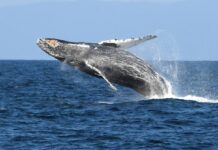














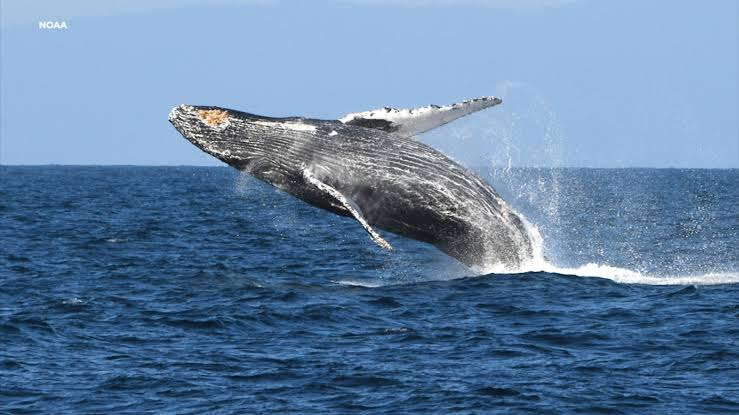
The Hawaiian humpback whale population—once thriving across the islands’ winter feeding grounds—suffered a sharp decline during the 2013–2016 marine heatwave, according to an analysis published last week. Researchers traced the drop to a dramatic collapse of krill and small forage fish, the primary food source for the mammals, following an unprecedented warming event in the north-eastern Pacific Ocean.
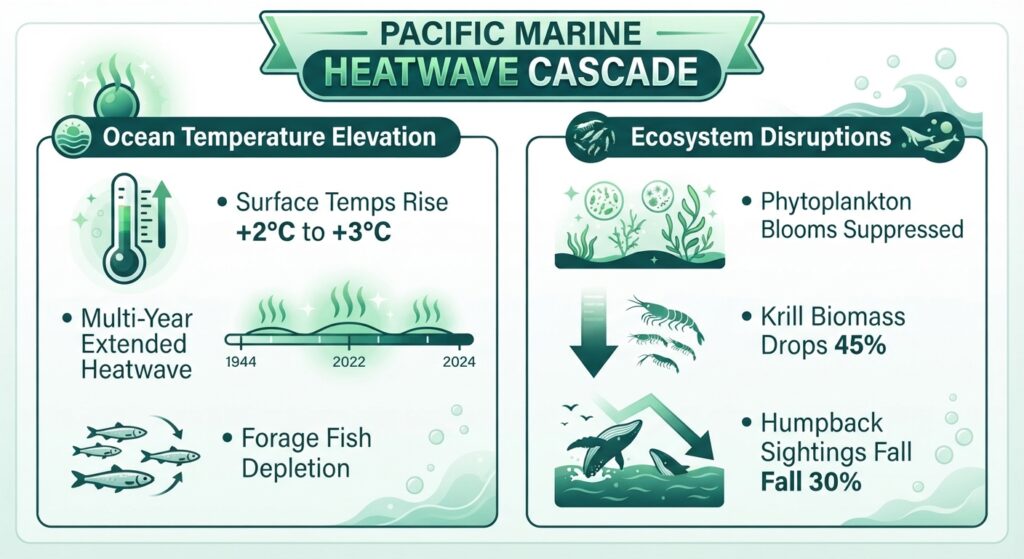
Why the decline matters extends far beyond the whales themselves. Krill and forage fish sit at the foundation of the marine food web, meaning their loss ripples upward to affect seabirds, larger fish, and the eco-tourism industry reliant on whale-watching operations. The study examined aerial surveys, acoustic monitoring, and long-term sighting records spanning two decades. Between 2013 and 2016, humpback sightings dropped by roughly 30 per cent compared with the preceding five years, mirroring a 45 per cent plunge in krill biomass documented by the National Oceanic and Atmospheric Administration’s Pacific Fisheries Survey.
Disruptions to phytoplankton blooms cascade through food chain
The marine heatwave pushed surface temperatures 2°C to 3°C above average for several consecutive summers. Warmer waters disrupted primary phytoplankton blooms, triggering a food chain collapse that left adult whales and calves with insufficient nourishment.
“When the base of the pyramid shrinks, the whole ecosystem feels the strain,” said Leilani Kawai, lead author and marine ecologist.
Researchers noted that the population drop was most pronounced across the north-western Hawaiian Islands, where humpbacks traditionally congregate to feed before migrating south to breeding grounds.
Scientists advocate expanded marine protected areas and emissions cuts
Looking ahead, marine scientists warn that climate-driven heatwaves will become increasingly frequent and intense. Safeguarding critical foraging habitats, expanding marine protected areas, and bolstering continuous monitoring programmes represent vital steps to buffer marine life against future environmental shocks.
The research team advocates for coordinated international action to curb global greenhouse-gas emissions, emphasizing that humpback survival serves as a direct barometer for overall ocean health. As future generations of whales return to Hawaiian waters, their long-term recovery hinges on how rapidly global actions mitigate the ocean warming threatening marine ecosystems.