





















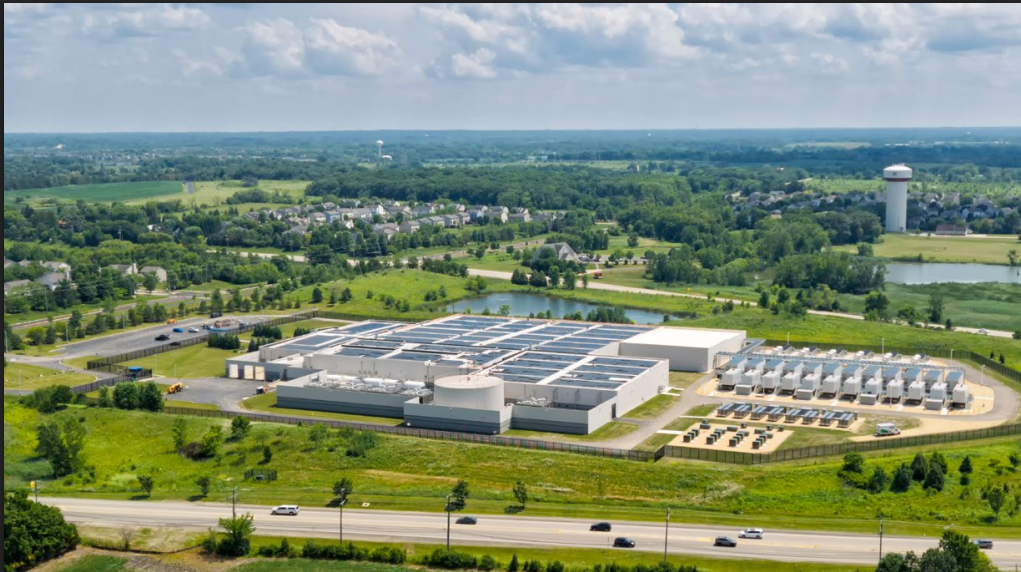
The rapid expansion of data centres housing server farms for artificial intelligence, cloud computing, and digital services poses severe risks to public health, former Environmental Protection Agency officials warned in a report released by the Environmental Protection Network. The investigation, titled The Hidden Health Costs of AI Data Centres, details how surging electricity demand from high-performance computing threatens to flood communities with toxic air pollution, while federal regulatory bodies systematically dismantle environmental safeguards.
According to economic and public health estimates cited from a 2026 study by researchers at the University of California Riverside, Caltech, and the Rochester Institute of Technology, data-centre-related air pollution could impose between $11.7 billion and $20.9 billion in annual public health costs across the United States by 2028. Under a rapid-growth scenario, this pollution could trigger up to 600,000 asthma symptom cases and cause approximately 1,300 premature deaths annually.
Read also: Clean Tech, Mini-Grids, Land Conservation: How Nigeria Plans to Cut Emissions 32%
“This massive AI buildout can have enormous consequences for America’s health… Air pollution comes from diesel generators and gas turbines at or near a data-center campus. But much of it can come from power plants many miles away that produce the electricity data centers use. And when you are talking about pollution that makes people sick, scale matters,” said Dr Lynn Goldman, former EPA assistant administrator and pediatrician
Rollback of federal safeguards accelerates pollution risks
The Environmental Protection Network document documents at least 30 distinct federal actions since early 2025 that weaken environmental protections, making a more polluting artificial intelligence expansion significantly more likely. Seventeen of these regulatory changes explicitly target or cite artificial intelligence and data infrastructure.
To satisfy the immense power requirements of data centres—which could account for up to 15.3 per cent of total United States electricity consumption by 2030—utility providers are delaying the planned retirement of nearly 10 gigawatts of coal-fired capacity. Furthermore, energy developers have proposed at least 74 new natural gas power plants specifically dedicated to supplying data facilities.
“Reasonable people can favor faster permitting. But faster permitting shouldn’t mean ‘build first and ask the pollution questions later.’ And it shouldn’t mean less information or less say for the people who will live with the consequences,” said Walter Mugdan, former EPA deputy regional administrator.
DISTRIBUTED SOURCES OF DATA CENTRE POLLUTION
On-Site Campus Infrastructure Regional Power Generation Grid
—————————– ——————————
• Diesel Backup Generators • Delayed Coal Plant Retirements (~10 GW)
• Dedicated Gas Turbines • Proposed Gas Peaker Facilities (74 Sites)
• High NOx, Soot, and VOC Exposure • Regional Ozone, PM2.5 & Heavy Metal Drift
Off-site power plants drive over 90 percent of health impacts
While on-site backup diesel generators and dedicated gas turbines emit high concentrations of nitrogen oxides, volatile organic compounds, and soot near data centre campuses, off-site electricity generation represents the overwhelming majority of public harm. The report stresses that more than 90 per cent of the estimated health burden stems from fossil-fueled power plants feeding electricity into the regional grid miles away.
Read also: UNEP Warns 1.5°C Overshoot Inevitable Without Urgent Emissions Cuts
Beyond air quality degradation, the report highlights localised resource depletion. Large-scale evaporative cooling systems consume millions of litres of water daily, straining local aquifers in water-scarce regions, while persistent operational noise from cooling fans and turbine fleets disrupts local communities.
In response to these compounding hazards, the Environmental Protection Network is urging the federal government and technology companies to adopt a comprehensive “Data Center Health Protection Pledge”. The framework demands the restoration of Clean Air Act enforcement, mandatory health impact assessments prior to facility siting, transparent emissions monitoring, and binding commitments to supply new data infrastructure exclusively with zero-emission renewable energy.