









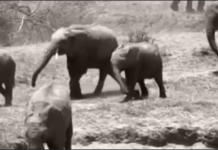



Many trees depend on the elephants’ digestive system for their seeds to be effectively propagated and if elephants become extinct, such trees would be prone to extinction. When the forest elephants eat the fruits of certain trees, they break the dormancy of the seeds and when they are excreted, the dispersed seeds germinate and sprout from the dung, giving hope for to combat climate change.
READ ALSO: Overgrazing, others threaten Hadejia Nguru Wetlands – NCF
These are some of the revelations made on Monday by conservation experts at one of their community sensitisation programmes on the need to protect elephants in what is left of their natural home range in Nigeria.
The experts, from the Nigerian Conservation Foundation’s Forest Elephant Initiative and Rufford Foundation’s Elephant Conservation and Awareness Project, pointed out that the animals’ intelligence enables them to remember previous encounters with humans and to determine a course of action.
READ ALSO: How baby elephant strayed, died in Okomu
Speaking at Atikiriji Odo, a community in the boundary area of Omo Forest, Ogun State, Dr. Tajudeen Amusa, from the Department of Forest Resources Management, University of Ilorin, helped the community to appreciate the importance of the forest, the role of wildlife, especially forest elephants in maintaining the health of forest and how to live in peaceful coexistence with nature.
Dr. Amusa who has studied elephants throughout Nigeria for more than seven years highlighted the consequences of encroaching into the elephants’ territories, reminding the community that it is a criminal offence to kill elephants since they are protected by both local and international laws.