




Bili’s new home is one of Africa’s most significant wildlife sanctuaries; understanding what it is helps explain why she’s sent there rather than anywhere else.
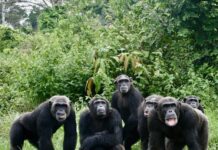
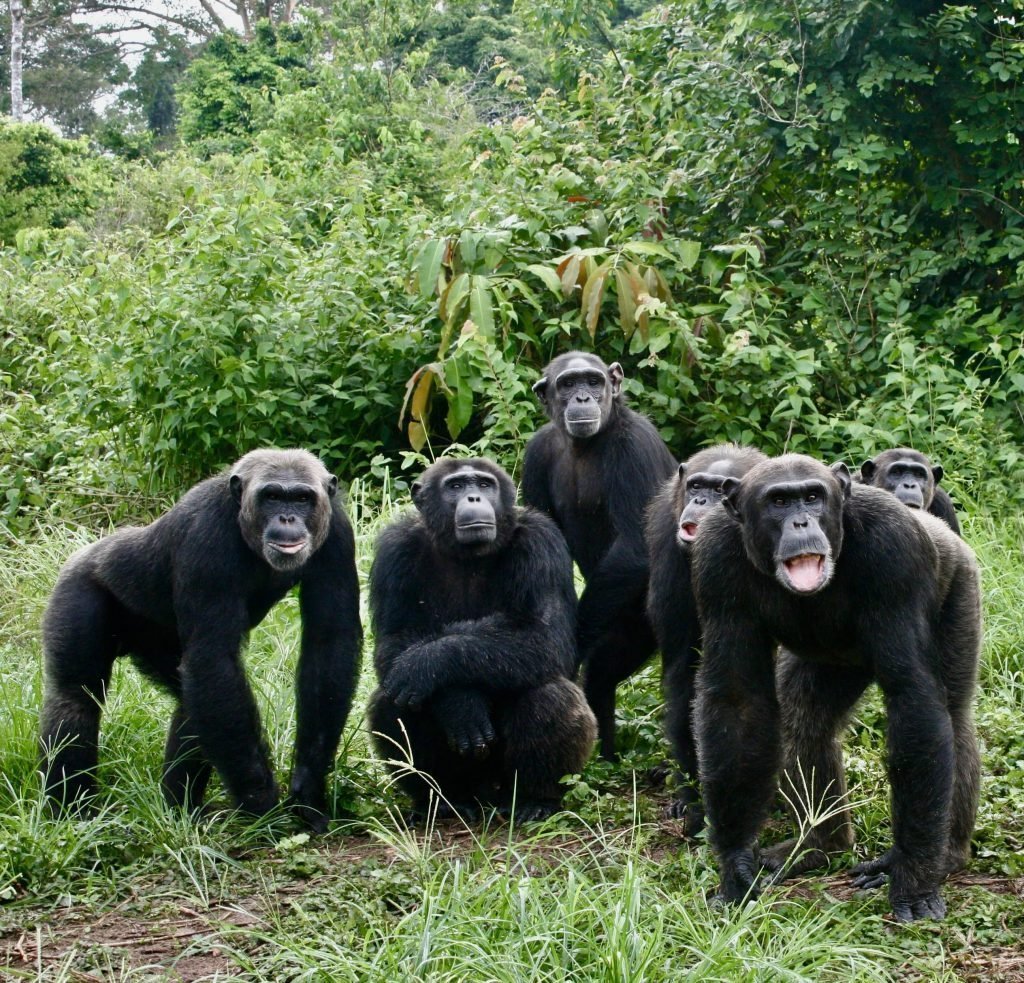
Congo’s Réserve Naturelle de Tchimpounga is Africa’s largest great ape sanctuary. Established in 1992 through an agreement between the Jane Goodall Institute (JGI) and the government of the Republic of Congo, Tchimpounga is the continent’s largest chimpanzee sanctuary, currently home to roughly 150–190 orphaned and rescued chimpanzees, alongside other species including western lowland gorillas and forest elephants.
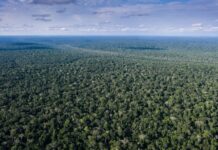
It’s bigger than just the sanctuary itself. The rehabilitation centre sits inside a much larger protected area, the Tchimpounga Nature Reserve, spanning roughly 534 square kilometres of coastal savannah and forest, located about 50 kilometres north of Pointe-Noire in the Kouilou Department. Local eco-guards, employed and trained by JGI, patrol the wider reserve to prevent poaching of wild populations.
It exists specifically for trafficking’s victims. Tchimpounga’s core purpose is caring for animals rescued from the illegal bushmeat and pet trades; authorities deliver confiscated and surrendered young apes to the sanctuary after seizing them from markets, homes and traffickers. It is precisely this function, receiving trafficked animals and returning them to health, that made it the right destination for Bili once her Congolese origin was confirmed.
Read also: Covid19: UK zoo threatens to kill animals over lack of funds
It’s run jointly, not solely by one organisation. Day-to-day sanctuary operations are managed by JGI, but the reserve itself is overseen in partnership with the Congolese government, through the Agence Congolaise de la Faune et des Aires Protégées (ACFAP), under the Ministry of Forest Economy. Rebeca Atencia, Executive Director of JGI Republic of Congo and the sanctuary’s head veterinarian, leads the on-the-ground rehabilitation work.
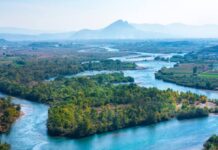
It has expanded to give animals more room to recover. Beyond the original mainland site, the sanctuary added three river islands, Tchibebe, Tchindzoulou and Ngombe, offering roughly a hundred times more forest space than the original sanctuary grounds, where chimpanzees can live in more natural, spacious conditions while remaining protected from hunting.
It measures welfare, not just headcount. JGI tracks the wellbeing of animals in its care using a Chimpanzee Welfare Index, assessing physical, mental and emotional health. The sanctuary reports a “Very Good” score of over 85% on that index, a detail worth noting given that Bili arrives in Congo after more than three years of rehabilitation already completed in Nigeria.