














For nearly a century, Sanur has been where Bali’s tourism story began. Artists and travellers started arriving at this coastal town on the Lombok Strait in the 1920s, drawn by its calm waters and rich marine life. A century on, new research shows that the coral reefs which helped build that reputation are still deteriorating, despite years of restoration efforts aimed at reversing the decline.
Restoration without addressing the causes
A study published in the journal Ocean & Coastal Management, led by researchers Min Chung, Battsetseg Banzragch and Alexandros Gasparatos, classifies Sanur’s reefs as moderately to severely degraded. Using the Drivers–Pressures–State–Impact–Response framework, the authors systematically traced how reef conditions have changed in one of Indonesia’s earliest and most tourism-intensive coastal destinations, according to reporting by Mongabay.
Read also: Climate Heatwaves Threaten Hawaiian Humpbacks as Marine Food Web Collapses
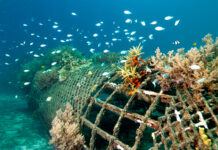
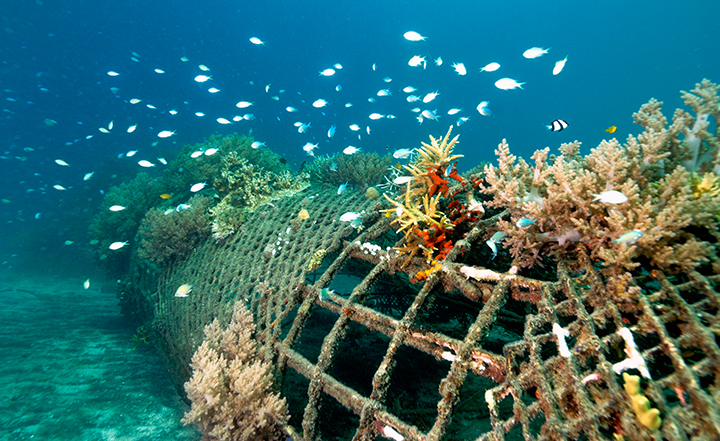
The researchers found that once-extensive branching coral formations in the Sanur area have largely turned into fields of rubble covered with algae, with snorkelling sites closest to shore in worse condition than less-visited reefs farther out. Their central finding is that restoration programmes, including planting coral fragments and building artificial reefs, are frequently implemented without first addressing the underlying causes of decline: chiefly, sediment runoff and wastewater discharge into coastal waters.
A governance problem as much as an ecological one
Beyond the physical drivers of degradation, the study points to a structural failure: uncoordinated management. Interviewing 18 stakeholders, including government agencies, local authorities, civil society organisations, scientists, fishers and tourism industry representatives, the researchers found that the mandates of different institutions overlap, decisions are made slowly, and resources are sometimes spent duplicating one another’s efforts. The result, in the authors’ assessment, is a form of decision-making paralysis that delays measures which might otherwise slow the decline.
Participants interviewed for the study linked tourism directly to reef damage, citing swimmers making physical contact with coral, tourist boats mooring on reef structures, and wastewater discharge from tourism facilities. That finding sits alongside a separate study cited in the research, which recorded a 38% reduction in coral cover across Bali’s tourism centres between 2010 and 2023.
Tourism: pressure and possible resource
Despite the bleak picture, the study does not present tourism purely as a threat. Most stakeholders interviewed believe the industry could help promote, implement and finance reef protection measures, provided management is effective and a portion of tourism revenue is directed specifically toward conservation. Sanur’s local economy remains heavily dependent on tourism income, giving the sector both a stake in reef health and, potentially, the financial means to help protect it.
Zach Boakes, co-founder and reef scientist at North Bali Reef Conservation, who was not among the study’s authors but was interviewed by Mongabay, described this duality directly: “Tourism represents both one of the greatest pressures on Bali’s reefs and one of its greatest opportunities.” Boakes cautioned, however, that restoration efforts cannot substitute for addressing the root causes of reef decline, including poor water quality, untreated wastewater, coastal development and climate change.
Solutions, according to the study
The authors’ recommendations focus on coordination as much as conservation technique. They call for combining coral restoration and beach clean-ups with improved wastewater treatment, marine spatial planning, stricter rules governing boat traffic and anchoring, and clearer codes of conduct for both tourists and operators. The underlying argument is that scattered, visible interventions, such as planting coral fragments, will continue to fall short unless paired with the less visible infrastructure and governance reforms needed to stop the damage at its source.
Read also: Migratory Birds in Crisis: 45% Declining, 11% Near Extinction
Whether Bali’s tourism authorities and local government agencies act on that coordination gap may determine whether Sanur’s reefs stabilise, or whether restoration continues to run in place against pressures it was never designed to address.