




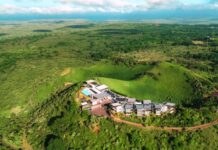

For decades, the narrative around Nigeria’s largest national park, Gashaka Gumti, has been dominated by stories of loss. Spanning over 5,900 square kilometers of mountainous terrain in Taraba and Adamawa States, the park has historically been a theater for illegal logging, poaching, and devastating forest fires caused by unsustainable cattle grazing.
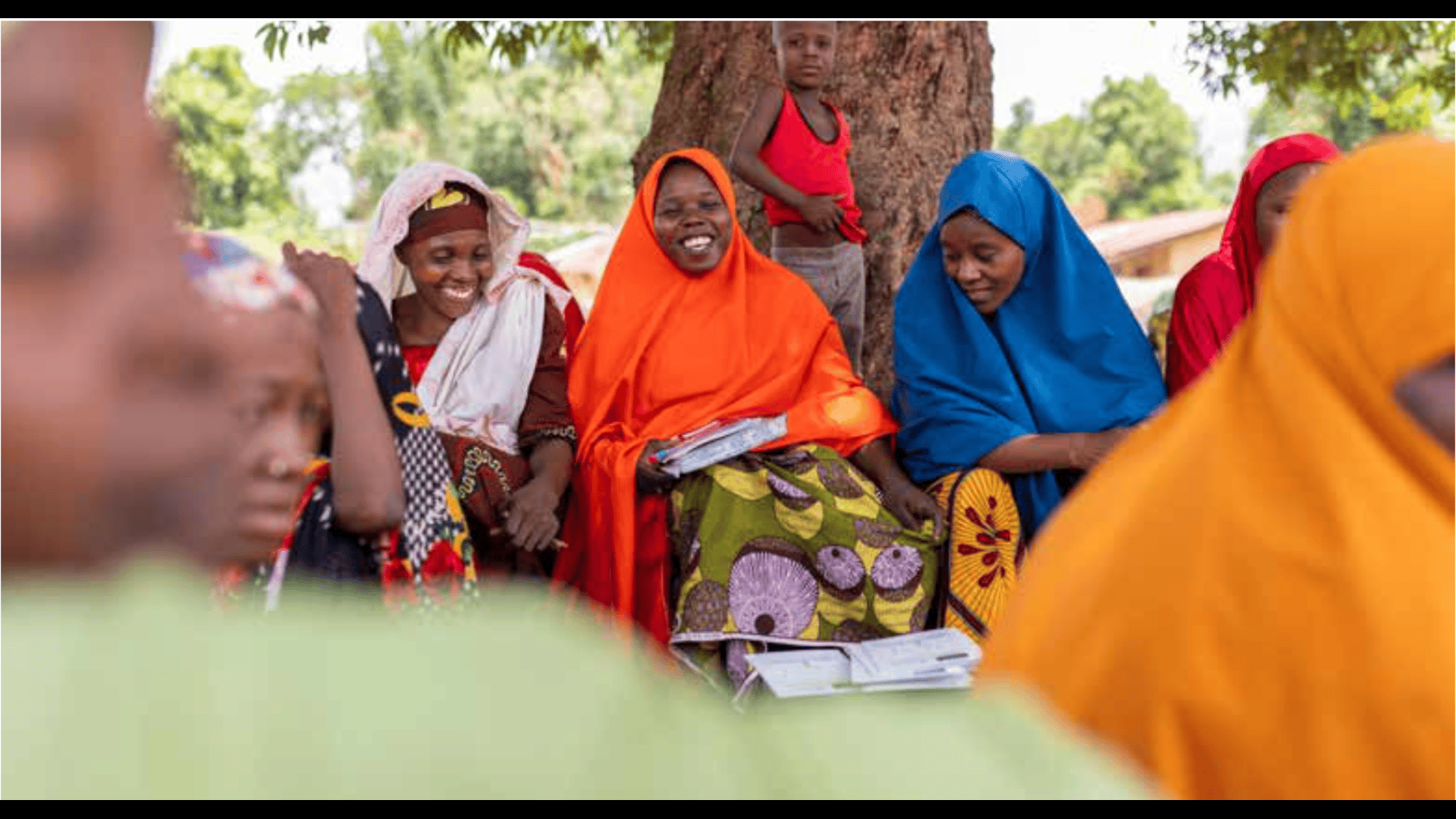
But deep within the buffer zones of this landscape, a quiet revolution is taking place. It is led by women armed with ledger books, weekly savings, and a growing sense of economic independence.
According to the Africa Nature Investors (ANI) Foundation’s 2025 Annual Report, the key to saving the park is not just law enforcement, but also giving the surrounding communities a tangible economic stake in its survival. At the heart of this strategy is a partnership with Roshan Renewables, a female-led Nigerian social enterprise, which has established Savings and Loans Groups (SLGs) across the Gashaka landscape.
From N200 to N2,000: A cycle of poverty broken
Gashaka Gumti is surrounded by 70 communities primarily engaged in subsistence agriculture and pastoralism. For women in these communities, formal employment is virtually non-existent, and independent income is rare. Historically, this lack of economic opportunity trapped families in a downward cycle, where survival often meant exploiting the park’s natural resources.
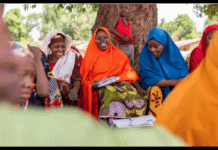
The SLG model flips this dynamic. Roshan Renewables brings together groups of about 30 women in each village, training them to save an agreed minimum amount weekly. After three months of consistent saving, the group becomes eligible for an interest-free loan based on their performance.
The results have been transformative. “Roshan reports that many of the SLG members who could only afford to save N200/week are now saving a minimum of N2,000/week,” the ANI report notes.
Read also:ANI’s Gashaka and Okomu Projects- An Innovative Approach to Conservation in West Africa
With these funds, women have launched small and medium enterprises (SMEs) ranging from agri-processing and food processing to petty trading and hairdressing. The impact is immediate and visible: many women are paying school fees, renting better homes, and building houses for the first time in their lives.
What began in 2022 with 11 SLGs (supporting 350 women) has now ballooned to over 50 groups. Since its inception, the program has supported over 4,000 beneficiaries.
The social contract of conservation
While the economic benefits are obvious, the strategic goal is deeply rooted in conservation. ANI frames this livelihood support as a “social contract.”
The communities living around Gashaka Gumti are the first line of defense for the park. By empowering women economically, ANI is building trust and demonstrating the park’s value to the local population. The unspoken agreement is simple: in exchange for livelihood support, communities provide intelligence on illegal activities and actively discourage practices that degrade the park, such as slash-and-burn agriculture and the destructive harvesting of wild honey.
“Gashaka Gumti National Park must act as a magnet, attracting investment into the local economy, giving communities a stake in the park’s protection,” the ANI report states.
Expanding the impact
The success of the women’s SLGs has been so profound that the model is now being expanded. ANI plans to extend the program to include 500 young men, while also upgrading the existing women’s groups into formal cooperatives.
Furthermore, the program is moving beyond just savings. In the coming year, ANI aims to scale up and commercialize honey and shea butter processing activities. By connecting these local enterprises with commercial off-takers, the program aims to create sustainable, long-term income streams that reduce reliance on the forest’s natural resources for survival.
A model for the future
As Nigeria grapples with the challenge of protecting its remaining biodiversity while supporting rural livelihoods, the women of Gashaka Gumti are proving that the two goals are not mutually exclusive. The roar of a helicopter patrolling for poachers is essential, but so is the sound of a sewing machine or a cassava grinder funded by a village savings group.
By putting economic power directly into the hands of women, ANI and Roshan Renewables are not just changing lives; they are forging a new generation of conservationists who understand that protecting the park is the surest way to protect their future.