











The Economic Community of West African States (ECOWAS) Commission has warned that environmental degradation and climate-induced disasters could internally displace nearly 32 million people across the region by 2050. The warning came alongside an urgent appeal to close a $294 billion regional climate financing gap.
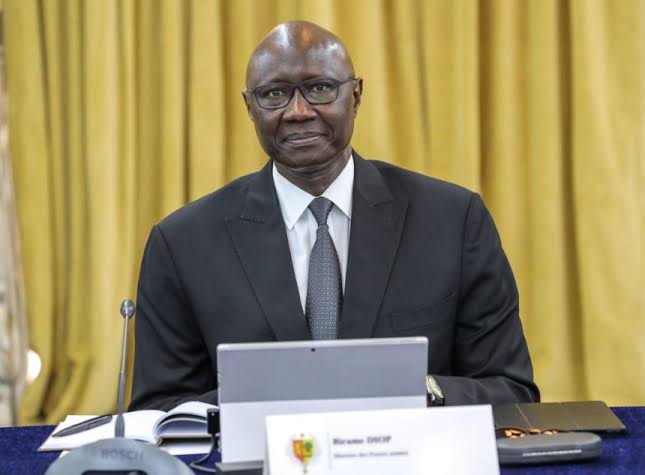
General Birame Diop, President of the ECOWAS Commission, issued the warning at the Second 2026 Parliamentary Seminar of the ECOWAS Parliament, held in Accra, Ghana, under the theme “Climate Change as a Driver of Environmental Degradation, Population Displacement and Rising Insecurity in the ECOWAS Region.” Diop was represented at the seminar’s opening by Professor Nassirou Bako-Arifari, ECOWAS Commissioner for Human Development and Social Affairs, who delivered the address on his behalf. Citing World Bank projections, Bako-Arifari said internal displacement across the sub-region could reach nearly 32 million people by 2050, driven largely by the combined effects of climate change.
Read also: How Decades of Drought, Deforestation, and Policy Gaps Fuelled West Africa’s Climate Crisis
Hadja Mémounatou Ibrahima, Speaker of the ECOWAS Parliament, also addressed the seminar, separately warning that climate change was fuelling displacement and insecurity as environmental disruption increasingly affects livelihoods and communities across West Africa.
Escalating environmental drivers trigger acute regional crisis
The commission cited accelerating environmental pressures, including rising temperatures, severe flooding, desertification and coastal erosion, as primary drivers forcing communities from their homes. These pressures, officials said, are worsening food insecurity and compounding existing regional conflicts over natural resources.
More than two million people were displaced across West Africa in 2024 alone as a result of climate-linked natural disasters, with more than seven million affected by flooding that destroyed homes, roads, schools, health facilities and farmland, according to Bako-Arifari’s presentation. Between 2025 and 2026, the total number of internally displaced people across West and Central Africa reached more than 12 million, with women and children accounting for 80% of those affected.
Legislative action and capital mobilisation vital to bridge funding gap
To address the crisis, the ECOWAS Commission is urging parliamentarians across member states to enact and enforce climate-responsive legislation. Recommendations include strengthening early-warning infrastructure, improving disaster risk management frameworks, and developing policies to protect displaced populations. ECOWAS has already adopted a Regional Climate Strategy and Action Plan covering 2022 to 2030, and has worked since 2024 towards establishing a regional carbon market platform under Article 6 of the Paris Agreement.
Read also: 15 States, Seven Days: Nigeria’s Flood Alert Puts Emergency Response to the Test
Addressing the crisis at scale, officials said, will require closing the $294 billion regional climate financing gap. The commission emphasised that member states must mobilise domestic resources alongside international green capital to build climate resilience and protect vulnerable populations across West Africa. Bako-Arifari, echoing Diop’s message, said the crisis had moved beyond an environmental concern: “Climate change is not simply an environmental issue. It is a development issue, a humanitarian issue, a peace and security issue, and ultimately an issue of human survival and regional stability.”