








Anatomy of a colossal extraction pact
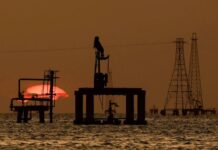
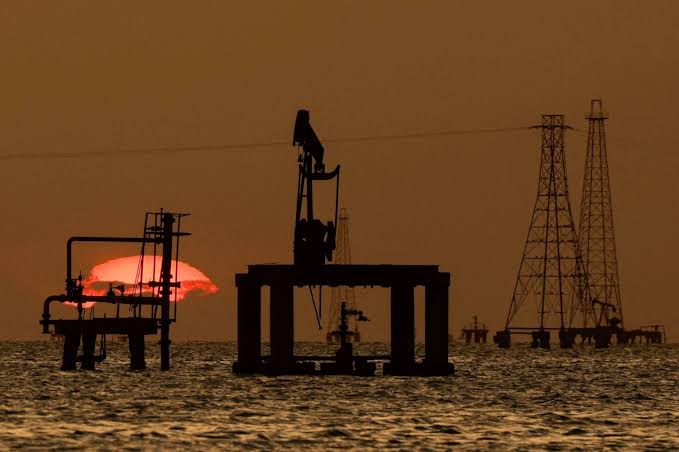
In late August 2026, the United States finalised a landmark agreement granting American entities majority control over more than 65 billion barrels of proven oil reserves in Venezuela. The deal, inked across Caracas and Washington, introduces up to $100 billion in targeted investments for drilling, refining, and pipeline infrastructure. Promoted by U.S. officials as the cornerstone of a new era of “energy dominance” designed to stabilize volatile global markets, the pact has triggered immediate condemnation from environmental non-governmental organizations (NGOs), Indigenous communities, and human-rights advocates worldwide.
Read also: Endangered Dolphins Defy Death in Bangladesh’s Toxic Buriganga
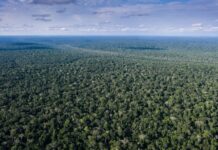
The gravity of this arrangement stems from Venezuela holding the largest untapped oil reserves on the planet. If fully executed, the infrastructure rollout could double the nation’s crude output within a decade, permanently locking South America into a high-carbon trajectory and threatening the fragile, Amazon-like ecosystems of the Orinoco Belt. Ecologists caution that rapid industrial expansion will accelerate deforestation, compromise vital freshwater networks, and drive a surge in greenhouse-gas emissions capable of derailing global climate stabilization targets.
Human costs and the shadow of state repression
Beyond the ecological degradation, the deal exposes deep human-rights vulnerabilities. The administration in Caracas—navigating a controversial political landscape following recent leadership transitions—has a documented history of silencing domestic dissent, particularly among Indigenous populations whose ancestral homelands overlap with primary petroleum blocks. International watchdogs emphasize that past foreign-backed resource extraction projects frequently involved forced community evictions, systematic intimidation of environmental defenders, and a total lack of legal recourse.
Read also: AI Data Centre Expansion Could Impose $20.9bn Annual Health Burden – EPN Report
With the new framework featuring provisions for expedited regulatory permitting and heavily armed security escorts for industrial operators, observers fear an escalation of state-sanctioned coercion. While proponents insist the influx of foreign capital will revive a fractured economy, generate local employment, and fund critical public services, the opacity surrounding the revenue-sharing mechanism breeds deep distrust. Critics argue that financial dividends will likely concentrate among political elites and multinational conglomerates, leaving front-line communities to bear the social and ecological costs.
Navigating the crossroads of climate and capital
As the international community digests the agreement, the coming months will test whether global climate frameworks—such as the Paris Agreement—can peacefully coexist with a $100 billion fossil-fuel expansion inside a critical biodiversity hotspot. Environmental legal coalitions are already preparing coordinated challenges, demanding independent, transparent environmental impact assessments before ground is broken. Ultimately, the U.S.–Venezuela oil pact stands as a high-stakes flashpoint, forcing a global reckoning between short-term energy security, planetary climate urgency, and the fundamental rights of frontline populations.