











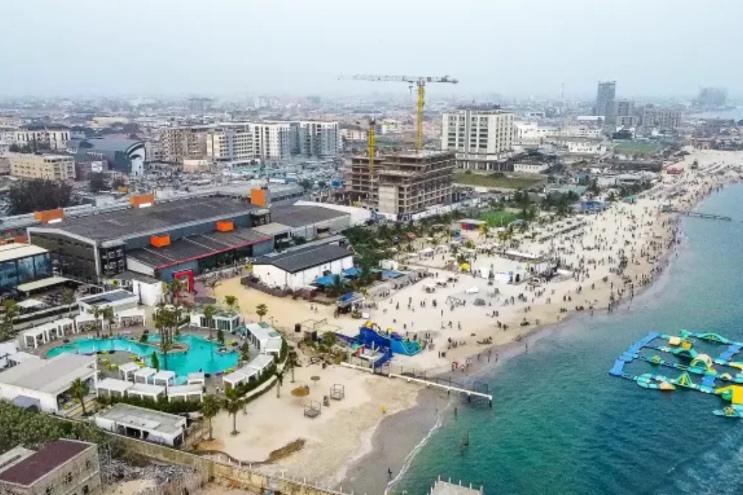
Recently, Nigeria has seen a heated battle between development goals and current infrastructure, highlighted by the Landmark Beach Resort versus Lagos-Calabar Coastal Highway issue. This dispute shows the complex relationship between economic growth, environmental issues, and land ownership.
The Landmark Beach Resort
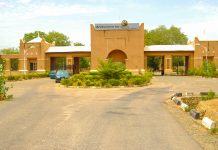
Located on the beautiful Victoria Island in Lagos, Landmark Beach Resort is a luxurious and relaxing destination. Since its establishment in 2007, this beachfront oasis has been an important part of Nigeria’s tourism scene, attracting visitors from near and far. With a variety of businesses and over 4,000 jobs, Landmark is a cornerstone of the local economy.
The Ambitious Lagos-Calabar Coastal Highway Project
The ambitious Lagos-Calabar Coastal Highway project, initiated by the Nigerian government, aims to boost connectivity and economic growth. Stretching over 700 kilometres, this coastal route will connect Lagos, the economic capital, with Calabar, a busy port city near the Cameroonian border. Drawing parallels to famous coastal roads like the Wild Atlantic Highway in Ireland and the Pacific Coastal Highway in the United States, this project shows great potential for Nigeria’s transportation sector.
Collision Course: The Conflict Opens Up
Progress is often met with obstacles. The conflict between Landmark Beach Resort and the Lagos-Calabar Coastal Highway project showcases the challenges of big development projects. The government’s move to fill sand on Landmark’s property led to protests from the resort’s staff and management. Signs with messages like ‘#SaveLandmarkBeachResort’ and ‘Save Our Jobs’ were powerful symbols of opposition to what was seen as a threat to their jobs and investments.
The disagreement centres around property rights and compensation. Paul Onwuanibe, the founder of Landmark Beach Resort, claims he acquired the land before the coastal highway project was even planned. The resort’s management is aware of the upcoming demolition orders and has been working with federal and Lagos State officials to discuss the issue and push for changes to the highway’s route to protect their interests.
Government’s Perspective and Environmental Concerns
The government sees the coastal highway as a big step in Nigeria’s infrastructure development. Minister of Works, David Umahi, promises to find a balance between progress and preservation. He acknowledges the need for land acquisition but assures that efforts will be made to minimize negative effects on businesses and communities.
The Landmark versus Lagos-Calabar Coastal Highway issue is causing a dilemma for stakeholders. Economic reasons support the coastal highway project, but worries about property rights and environmental impact is also important. The key is to have discussions, consider other route options, and focus on the well-being of everyone involved.
In Nigeria’s complex development scene, the conflict between Landmark Beach Resort and the Lagos-Calabar Coastal Highway project highlights the struggle between advancement and conservation. Balancing economic goals with environmental protection, while considering the interests of all parties, is crucial for Nigeria’s sustainable and inclusive growth. Collaboration and mutual understanding are key to navigating these challenges and moving towards a brighter future.