Category: Environments

  • Global Spotlight on Nature at COP30

    Global Spotlight on Nature at COP30

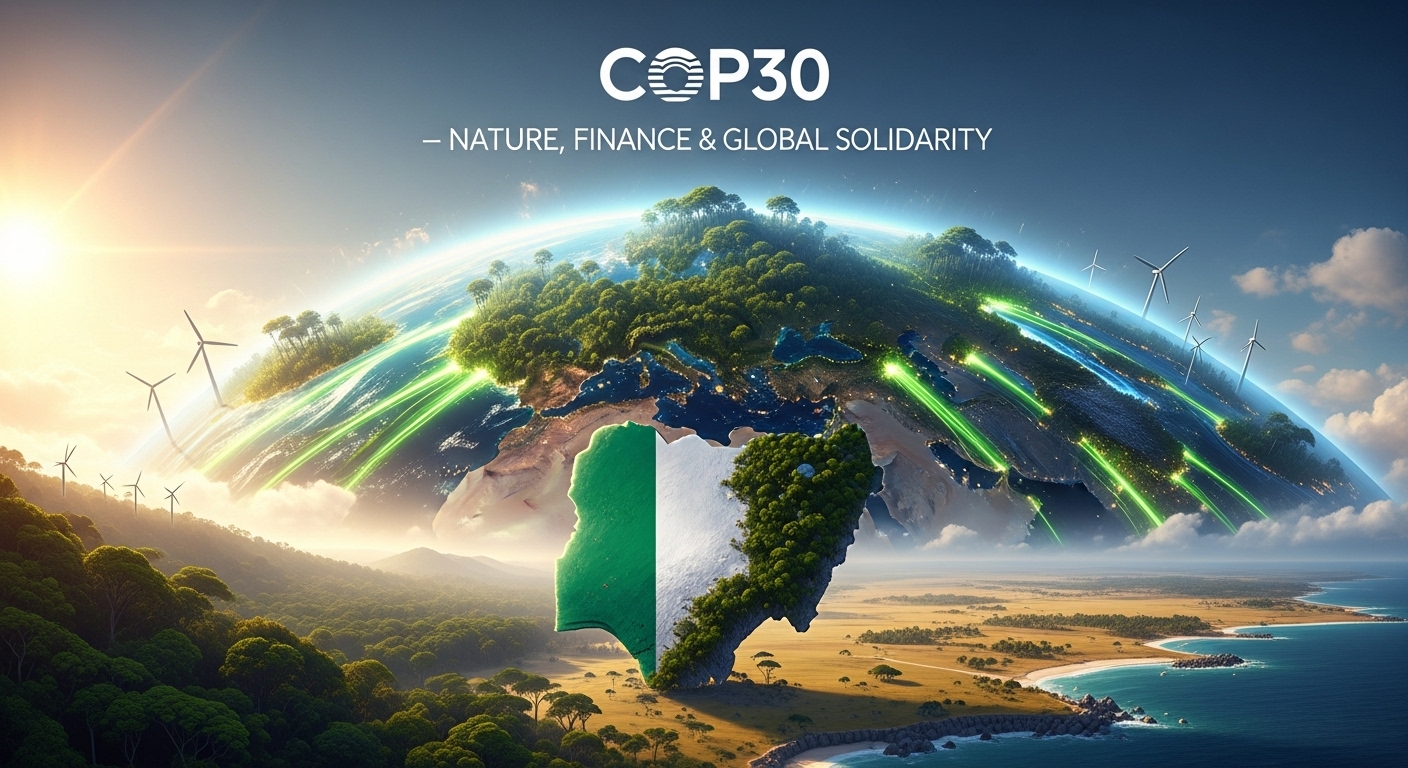
    The 30th session of the United Nations Climate Change Conference, held in Belém, Brazil, highlights the nature-as-infrastructure approach. Forests, wetlands, oceans, and landscapes are active players in the climate game.

    At COP30, the host country chose the Amazon basin as the stage for this message, implicitly saying: this is where the global atmosphere is shaped, and therefore, where financing, politics, and justice must align. 

    Why finance for “nature” is suddenly front and centre

    Several interlinked strands have elevated nature-finance into a critical topic:

    • Nature-based solutions (NBS) —actions that protect, restore, or manage ecosystems to address climate change —are increasingly seen not as optional or fringe, but as essential. According to one estimate, NBS could deliver up to 30 % of the mitigation needed by 2030.
    • Yet paradoxically, only a small fraction of climate finance is directed to such solutions: just 3% for mitigation and around 11% for adaptation in nature, as noted in one report. Conservation International 
    • Debt burdens, bilateral/multilateral financing structures, private-sector engagement, and governance deficits are creating hurdles. The summit is being treated as a turning point to align money, markets, and nature.
    • Because forests and oceans transcend borders, the logic of “shared resource, shared responsibility” is gaining traction. That means countries must look beyond national savings and budgets and explore global mechanisms.

    What’s on the agenda at COP30

    Some of the financial innovations and frameworks being discussed include:

    • The proposed Tropical Forests Forever Facility (TFFF), envisioned by Brazil, aims to mobilize large-scale funds for tropical forest conservation by 2030.
    • Mechanisms such as debt-for-nature swaps, blended finance (public + private + philanthropic), and blue-carbon markets (finance linked to marine/coastal ecosystems) are rising as tools.

    • Reforming access to finance: making it predictable, equitable, and accessible for countries with ecosystems on the front line.

    • Anchoring NBS into national climate architectures: including carbon markets, landscape restoration programmes, and marine/blue economy policies.

    Nigeria’s Call from the Front

    While the global stage is assembling, Nigeria is raising its voice and its stakes. At COP30, the Nigerian Vice President, Kashim Shettima (representing President Bola Ahmed Tinubu), emphasised that nature is “probably the most critical infrastructure in the world” and demanded that global financing mechanisms reflect that reality.

    Key points from Nigeria’s position:

    • Nigeria aims to mobilise up to US$3 billion per annum via its National Carbon Market Framework and Climate Change Fund.

    • It is pressing for mechanisms such as:

      • grant-based finance (not just loans) for nature-based solutions

      • operationalising Blue Carbon Markets under Article 6 of the Paris Agreement

      • debt-for-nature swaps to free up developing countries’ fiscal space

      • stronger roles for indigenous peoples, farmers and fisherfolk (recognising that nature-stewards are often local communities)

    • Nigeria emphasises justice: countries of the Global South “that have contributed least … are today paying their highest price”. The implication: historical responsibility should translate into mobilised finance for restoration.

    • Domestically, Nigeria is not just asking for help: it is acting. For instance, via its Great Green Wall Initiative (10 million trees across 11 states), a target to restore 2 million ha of degraded land by 2030, and a Marine & Blue Economy policy.

    Why Nigeria’s stance matters (and why you should care)

    • Nigeria is representative of many countries in the Global South: high exposure to climate risks (desertification, coastal erosion, illegal mining) combined with limited historic cumulative emissions. Its voice, therefore, carries moral and practical weight.

    • The model of linking nature protection, job creation, and national carbon markets is replicable across many developing nations.

    • The integration of blue carbon (coastal/marine ecosystems) signals a relatively under-recognised but high-value frontier of climate finance.

    The big question: Can the world meet the financing ambition?

    We are still a long way from where we need to be. Although COP30 is pushing hard:

    • Civil society recommends mobilising US$7 billion annually for the Amazon alone—and the actual mobilised amount has been lower.

    • One external monitoring report noted that global climate finance targets are far behind schedule, with only ~4-5% achieved as of recent estimates.

    • A recurring hurdle: money pledged often doesn’t reach front-line actors (local communities, indigenous peoples) due to governance, access, and capacity bottlenecks.

    Looking ahead: what to watch

    • Whether COP30 produces a global compact on nature finance—linking countries, institutions, private capital, and communities in a unified agenda.

    • How the Tropical Forests Forever Facility (TFFF) is operationalised: size of funds, governance, results-based payments.

    • Uptake of blue-carbon financing and whether coastal/marine ecosystems get parity with forests.

    • Whether developing countries like Nigeria can gain direct access to funds and mobilise private capital via frameworks such as the African Nature Finance Framework, which Nigeria referenced.

    • Metrics & accountability: finance flows alone won’t suffice unless we measure impacts—hectares restored, carbon sequestered, communities empowered.

    Final thoughts

    The narrative around climate is shifting to “nature + emissions + justice”. COP30 may become a pivot point for aligning global financial flows with the ecosystems that underpin our planet’s viability. Nigeria’s appeal at the summit is both urgent and strategic: if nature is global infrastructure, then the investment case is worldwide and the responsibility is shared.

    For you, the takeaway is: ecosystems like forests and oceans are capital assets, not just moral or aesthetic ones. If the world increasingly treats them that way (with wallets to match), the future of both climate and development takes a turn. If not, we’ll continue patching holes while the foundations shift beneath us.
  • World Cleanup Day 2025

    World Cleanup Day 2025

    About World Cleanup Day

    World Cleanup Day is one of the largest civic movements of our time, mobilizing millions across continents to tackle the mounting global waste crisis. Its roots trace back to Estonia in 2008, when 50,000 citizens came together to remove over 10,000 tons of illegal waste in just one day. This inspiring act sparked the birth of Let’s Do It World, the organization now coordinating annual cleanups in over 190 countries.

    Since its global debut in 2018, World Cleanup Day has continued to grow in scale and significance. In 2024, the movement achieved a historic milestone, its first recognition as a United Nations International Day. That year, millions of people from 191 countries joined forces, proving that environmental action can transcend borders, politics, and cultures. In 2025, the global cleanup will take place on September 20, continuing its mission to unite communities for cleaner, healthier environments.

    2025 Theme and Goals

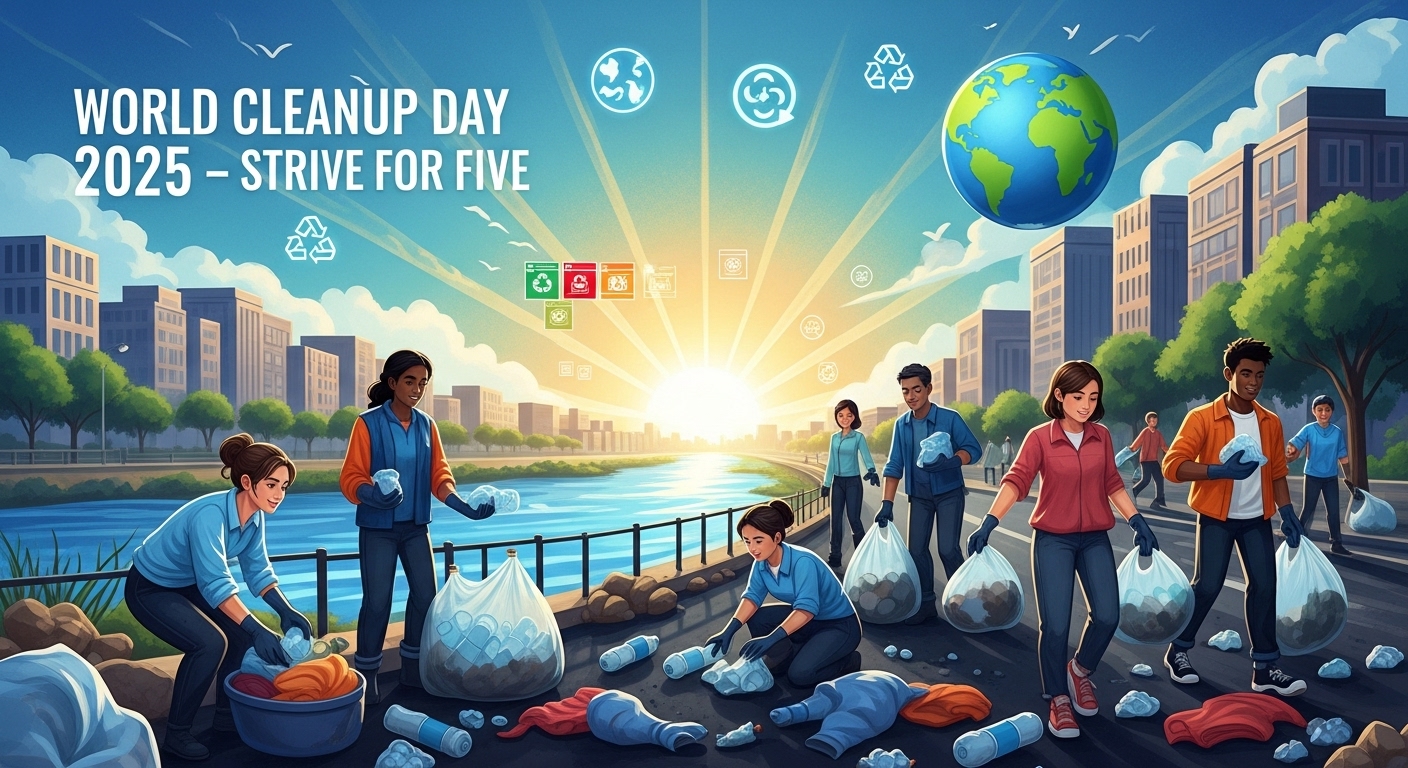
    The 2025 campaign carries the slogan “Strive for Five”, urging communities to mobilize at least 5% of their populations. Research indicates that this percentage marks the tipping point necessary to drive systemic societal and environmental change.

    This year’s focus highlights one of the most pressing yet under-discussed waste issues: the pollution caused by the fashion and textile industry. Globally, an estimated 92 million tonnes of textiles are discarded annually, the equivalent of a garbage truck full of clothes being dumped every second. Addressing textile waste is closely tied to promoting sustainable consumption and transitioning toward circular economies.

    World Cleanup Day directly supports several United Nations Sustainable Development Goals (SDGs), including:

    • SDG 11: Sustainable Cities and Communities 
    • SDG 12: Responsible Consumption and Production 
    • SDG 13: Climate Action 
    • SDG 14: Life Below Water 
    • SDG 15: Life on Land 

    By aligning grassroots cleanups with these global frameworks, the movement not only removes waste but also pushes governments and businesses toward lasting policy change.

    Global Impact

    The numbers tell a powerful story of collective action:

    • In 2022, over 15 million volunteers worldwide removed 60,000 tons of waste, contributing more than 30 million volunteer hours. 
    • In 2024, participation expanded to 191 countries, covering 90% of all UN member states. 

    From small island nations to bustling megacities, volunteers braved challenges to clear streets, forests, and waterways of plastic, electronics, household waste, and industrial debris.

    The Digital Cleanup Day initiative encourages people to declutter their digital spaces, which indirectly reduces carbon emissions linked to data storage. In 2025, over 540,000 participants deleted 2.3 million gigabytes of unnecessary files, resulting in a reduction of approximately 575 tonnes of CO₂ emissions annually.

    Spotlight on Nigeria and Africa

    In Africa, the day is urgent. Nigeria, for example, generates over 2 million tonnes of plastic waste annually, much of it ending up in waterways, landfills, or the open environment.

    Grassroots groups, such as SustyVibes and the Centre for Water and Environment Development (CWED), have been instrumental in mobilizing citizens. Despite challenges such as poor infrastructure, heavy rainfall, and limited resources, Nigerian volunteers consistently show resilience. In 2023, major cleanups in Lagos and Kaduna resulted in markets, neighborhoods, and riverbanks being cleared of plastic and other waste.

    Across the continent, local governments, schools, NGOs, and eco-startups collaborate to raise awareness and inspire action. Youth activism especially shines—turning waste into art, launching recycling businesses, and leading education campaigns that reshape community attitudes.

    Why It Matters in 2025

    Waste is a global crisis tied directly to climate change, biodiversity loss, and public health. Plastic and textile waste leach toxins into soil and water, choke marine life, and clog urban drainage systems, worsening flooding.

    World Cleanup Day matters because it proves that people power can spark systemic change. By gathering even a small critical mass, communities reclaim ownership of their environments while demanding accountability from industries and policymakers.

    How to Get Involved

    Everyone has a role to play:

    • Individuals & Communities: Join or host cleanup drives, share stories online, and adopt waste-reducing habits. 
    • Schools & Youth Groups: Organize student cleanups, recycling projects, or creative “art from waste” exhibitions. 
    • Businesses: Sponsor cleanups, volunteer staff, or implement better internal waste policies. 
    • Digital Participants: Take part in Digital Cleanup Day by deleting unused apps, emails, and files. 

    To officially join, events and volunteers can register through worldcleanupday.org.

    Closing Thoughts

    World Cleanup Day 2025 is about hope, unity, and responsibility. Whether you’re clearing plastics from a riverbank in Nigeria, reducing textile waste in Europe, or deleting digital clutter at home, your action contributes to a cleaner and healthier planet.

    As Let’s Do It World President Heidi Solba reminds us: “Striving for five percent participation unlocks the power of collective action for lasting change.” On September 20, 2025, let’s rise together to leave a legacy of clean, thriving communities for generations to come.

  • Nigeria’s Dwindling Elephant Population Sparks Urgent Conservation Call

    Nigeria’s Dwindling Elephant Population Sparks Urgent Conservation Call

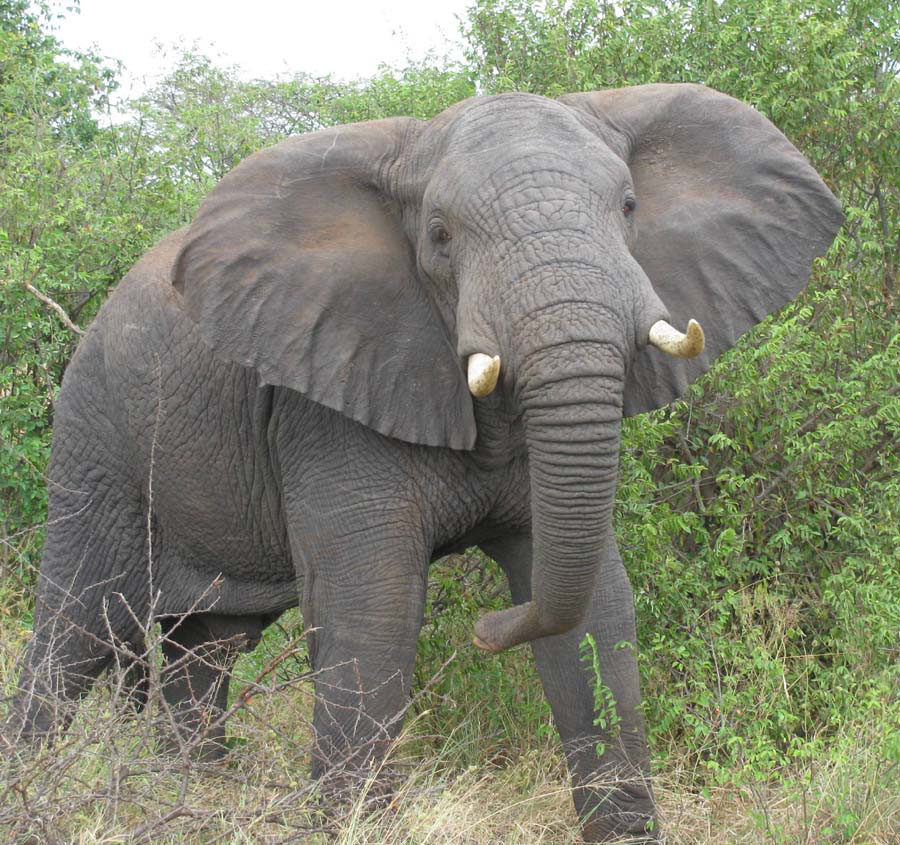
    As the world marked World Elephant Day on August 12, 2025, with the theme “Bringing the world together to help elephants,” wildlife conservationists in Nigeria sounded the alarm over the country’s rapidly declining elephant population. According to reports from conservation groups, the number of elephants in Nigeria has plummeted from over 1,200 to just about 300-400 in the last 30 years.

    Threats to Nigeria’s Elephants

    The main threats to Nigeria’s remaining elephants are habitat loss caused by agriculture, logging, and infrastructure development, pushing elephants into farmlands and villages in search of food and water. This has led to human-elephant conflicts, resulting in fatal incidents. In July, an elephant killed a farmer in Ogun State, highlighting the seriousness of the conflict.

    Conservation Efforts

    Conservation organisation Wild Africa is pushing for Nigeria to step up efforts to protect its remaining elephants. The newly launched National Elephant Action Plan (NEAP) aims to protect habitats by securing and restoring elephant habitats and connecting fragmented ranges through wildlife corridors. The plan also seeks to reduce conflicts by implementing early warning systems and non-lethal deterrents like chilli repellents to minimize human-elephant conflicts.

    Read also: FG launches 10-year plan to combat elephant poaching and preserve wildlife

    Also, the plan aims to boost law enforcement to combat wildlife crime and mitigate habitat degradation. This is particularly relevant as Nigeria considers the Endangered Species Conservation and Protection Bill, which could enhance the country’s capacity to protect its wildlife.

    Mark Ofua, West Africa Representative for Wild Africa, emphasised the need for deliberate planning and stronger law enforcement to protect both elephants and people.

    “When elephants have access to safe habitats and corridors, they’re less likely to come into conflict with communities. But achieving that requires deliberate planning, investment, and stronger law enforcement,” Ofua said.

  • African Plants That Can Store Water, Cure Illness, and Survive Anything

    African Plants That Can Store Water, Cure Illness, and Survive Anything

    When we think of survival in harsh environments—heat, drought, disease—few things are more impressive than the plants that thrive across Africa’s diverse landscapes.

    For centuries, African communities have relied on native plants for food, medicine, water, and as a source of protection. Today, scientists are catching up to what traditional healers and farmers have known all along: these plants are potent.

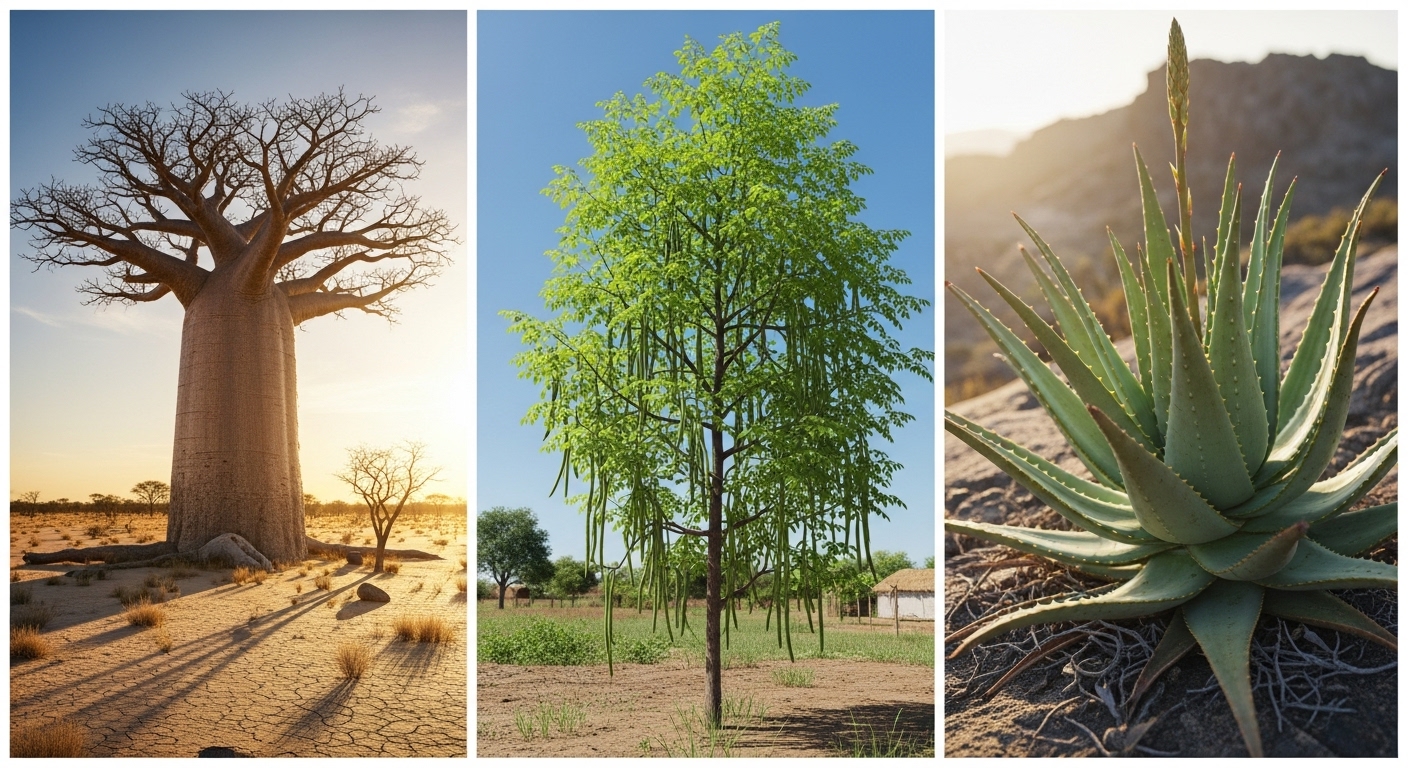
    Baobab: The Tree That Holds Water Like a Tank

    Baobab

    Known as the “Tree of Life,” the baobab (Adansonia digitata) is a true African icon.

    Why it’s incredible:

    • Its massive trunk can store up to 120,000 liters of water to survive dry seasons.
    • The leaves, bark, seeds, and fruit are all useful.
    • The baobab fruit is rich in vitamin C, calcium, potassium, and antioxidants, earning it the title of a “superfood” worldwide.

    Where it grows: Found across sub-Saharan Africa, especially in the Sahel, savannas, and Madagascar.

    Traditional uses:

    • Treating fevers, diarrhea, and skin infections
    • Making nutritious porridge or juice
    • Weaving ropes and fabric from the bark

    Moringa: The Miracle Tree You Can Eat from Root to Leaf

    moringa
    Moringa

    Moringa (Moringa oleifera), often called the “drumstick tree” or “miracle tree,” grows easily in dry climates and is a nutritional powerhouse.

    Why it’s incredible:

    • The leaves contain all nine essential amino acids, a rarity among plants.
    • It’s rich in iron, protein, calcium, and vitamin A.
    • Drought-resistant and grows fast.

    Where it grows: Northern Nigeria, Niger, Kenya, and throughout East and West Africa.

    Traditional uses:

    • Leaf powder as a nutritional supplement
    • Seed oil for skincare
    • Treating malnutrition and high blood pressure
    • Purifying water using crushed seeds

    Aloe Ferox: Africa’s Healing Succulent

    Aloe Ferox
    Aloe Ferox

    Cousin to the popular aloe vera, Aloe ferox is a spiky desert plant native to Southern and Eastern Africa. It thrives in poor soils and harsh sun.

    Why it’s incredible:

    • Stores water in its thick, fleshy leaves — drought doesn’t bother it.
    • Used in traditional medicine and now modern cosmetics.

    Medicinal benefits:

    • Treats wounds, burns, and digestive problems
    • Acts as a laxative
    • Used in skin creams and detox juices

    Where it grows: South Africa, Lesotho, and dry regions of East Africa

    Bitter Kola: Nature’s Energy Booster and Infection Fighter

    Called “Orogbo” in Yoruba and “Aki ilu” in Igbo, bitter kola (Garcinia kola) has been chewed for centuries as a stimulant and medicinal plant.

    Why it’s incredible:

    • Has antibacterial, antiviral, and anti-inflammatory properties
    • Said to boost energy
    • Helps relieve coughs and sore throats

    Traditional uses:

    • Treating chest colds and infections
    • Modern research is exploring its use against respiratory viruses

    Desert Date (Balanites aegyptiaca)

    This tough tree grows in deserts and semi-arid lands, where almost nothing else can survive.

    Why it’s incredible:

    • Produces edible fruits and seeds even in extreme drought
    • Seeds contain oil used for cooking and cosmetics
    • Leaves are used to treat wounds and fevers

    Where it grows: Sahel region — from Senegal to Sudan

    Local knowledge: Communities use it for everything from cooking oil to fencing and medicine.

    Traditional Knowledge Meets Modern Science

    Many of these plants were once dismissed as “folk medicine,” but now scientists are confirming their value.

    • Universities and research labs are investigating how moringa helps combat malnutrition.
    • Baobab extract is sold globally in smoothies and supplements.
    • Pharmaceutical companies are testing bitter kola and aloe for potential use in modern medicines.

    The future of African plant knowledge lies in the fusion of science, culture, and sustainable conservation.

    Why It Matters

    These plants do more than heal; they represent survival, resilience, and the brilliance of African ecosystems. In the face of climate change, food insecurity, and desertification, they offer tools for a sustainable future.

  • The Impact of Climate Change Solutions on Wildlife

    The Impact of Climate Change Solutions on Wildlife

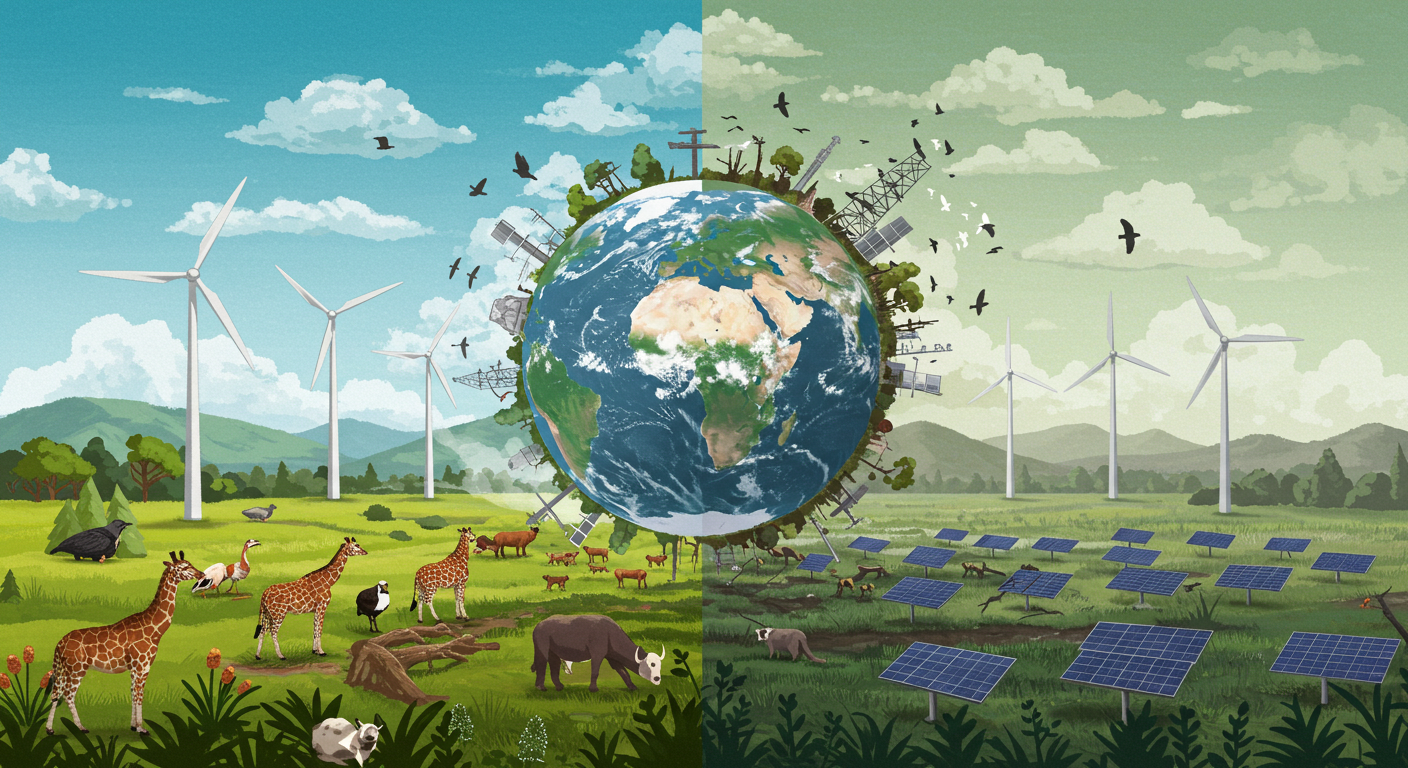
    Climate change poses a significant threat to ecosystems and wildlife worldwide, prompting urgent action to mitigate its effects. However, while climate change solutions aim to protect the environment, they can have both positive and negative impacts on wildlife. A nuanced understanding of these impacts is crucial for developing truly sustainable solutions.

    Positive Impacts of Climate Change Solutions

    Many climate change solutions contribute directly to the preservation of wildlife by addressing the root causes of habitat degradation and biodiversity loss. Renewable energy sources like wind and solar power reduce reliance on fossil fuels, decreasing greenhouse gas emissions that contribute to global warming. By mitigating climate change, these solutions help preserve ecosystems that are critical for countless species.

    Additionally, reforestation and afforestation efforts can create habitats for a variety of wildlife species, supporting biodiversity and improving ecological balance. For example, restoring degraded mangroves provides shelter for marine and bird species while also protecting coastlines from erosion.

    Marine conservation initiatives, such as the creation of marine protected areas, combat the impacts of rising ocean temperatures and acidification, safeguarding critical habitats like coral reefs and kelp forests. Similarly, projects that promote sustainable agriculture can enhance soil health and water quality, benefiting species that depend on these ecosystems.

    Negative Impacts of Climate Change Solutions

    Despite their benefits, some climate change solutions can unintentionally harm wildlife if not carefully implemented. Large-scale renewable energy projects, such as wind farms, have been associated with bird and bat fatalities due to collisions with turbines. This is particularly concerning during migration periods when these species are more vulnerable.

    Similarly, expansive solar farms can fragment habitats, disrupting ground-dwelling species and their ecosystems. While these projects are essential for reducing carbon emissions, they must be designed with wildlife corridors to minimize habitat disruption.

    Biofuel production presents another challenge. The large-scale cultivation of crops for biofuels can lead to deforestation and habitat loss, especially when native vegetation is replaced with monocultures. This not only reduces biodiversity but also threatens species that rely on native plants for food and shelter.

    Invasive species introduced during restoration projects can also cause ecological imbalance. Non-native plants used for reforestation might outcompete native vegetation, altering ecosystem dynamics and affecting the wildlife dependent on those native species.

    Moreover, poorly managed carbon capture and storage initiatives could contaminate groundwater resources, impacting wildlife that depends on these water sources for survival.

    Mitigating Negative Impacts

    To guarantee climate change solutions benefit wildlife, thorough environmental impact assessments must be conducted. These assessments help identify potential risks and develop mitigation strategies that would fit the local ecosystems. For instance, wind farms can be strategically sited away from migration routes, and solar farms can integrate wildlife-friendly designs, such as maintaining natural vegetation corridors.

    Species-specific planning is also essential. Understanding the needs of local wildlife, including their critical habitats and migration patterns, allows for the creation of solutions that minimize disruption.

    Adaptive management is crucial for long-term success. Continuous monitoring of wildlife populations and ecosystem health can help identify unforeseen impacts and inform adjustments to practices, making sure solutions remain effective and sustainable.

    Conclusion

    Climate change solutions hold immense potential to protect wildlife and restore ecosystems. However, their implementation must be guided by careful planning and ongoing evaluation to avoid unintended consequences. By balancing innovation with ecological sensitivity, we can address climate change while safeguarding the diverse species that share our planet.

  • Simple Habits for a Greener 2025

    Simple Habits for a Greener 2025

    As we step into 2025, there’s no better time to adopt simple habits that can make a big difference for our planet. Protecting the environment doesn’t have to be overwhelming; small, consistent actions can reduce your carbon footprint and contribute to a healthier Earth. Let’s check out some practical ways to live more sustainably next year.

    Save Energy, Save the Planet

    Use LED light bulbs, they last longer and use less power

    Reducing energy use is one of the easiest ways to reduce carbon footprint. Start by:

    • Turning down the cooling when it’s not needed.
    • Switching to LED light bulbs that last longer and use less power.
    • Washing clothes in cold water and hanging them to dry.
    • Investing in energy-efficient appliances.

    For a bigger impact, consider improving your home’s ventilation and choosing renewable energy sources. Every watt saved helps the planet breathe a little easier.

    Use Water Wisely

    Water is precious

    Water is precious, so let’s use it wisely:

    • Fix leaks promptly.
    • Take shorter showers.
    • Turn off the tap while brushing your teeth.

    These simple steps not only save water but also reduce the energy used to pump and heat it.

    Waste Less Food

    Plan meals ahead of time

    Food waste isn’t just bad for your wallet; it’s bad for the environment too. You can reduce food waste by:

    • Planning meals ahead of time.
    • Freezing leftovers or excess food.
    • Sharing extra portions with friends.

    Cutting down on meat consumption, especially beef, and choosing sustainably sourced seafood can also make a huge difference.

    Travel Smarter

    Use public transportation

    Transportation is a major contributor to greenhouse gas emissions. You can travel efficiently by:

    • Using public transportation, biking, or walking.
    • Choosing environmentally friendly vehicles if you drive.

    Every step or pedal helps reduce pollution and keeps our air cleaner.

    Consume Less, Reuse More

    Recycle and reuse

    Before you buy, ask yourself: “Do I really need this?” Reducing consumption is key:

    • Recycle and reuse whenever possible.
    • Avoid single-use plastics.
    • Repair items instead of replacing them.

    Skip fast fashion and invest in quality, sustainable products.

    Local Inspiration: Lessons from the Nigerian Conservation Foundation

    At the 2024 Annual Green Ball, the Nigerian Conservation Foundation (NCF) highlighted the importance of partnerships in tackling environmental challenges like climate change, biodiversity loss, and desertification. Their Director-General, Dr. Joseph Onoja, emphasized the need for integrated solutions to ensure we solve one problem without creating another. For example, renewable energy projects should avoid damaging biodiverse areas.

    The NCF’s work is a shining example of what’s possible. From planting over 20,000 mangrove seedlings to restoring wetlands and protecting biodiversity, their efforts inspire us to take action. Mangroves, for instance, act as natural sponges that prevent flooding and maintain ecological balance. Imagine what could be achieved if more individuals and organizations joined forces like this!

    Justice R.I.B Adebiyi, Chairperson of NCF’s National Executive Council, encourages us all to embrace eco-friendly habits. Whether it’s eating less meat, sorting waste, or planting trees, every small effort adds up.

    Let’s Make 2025 Greener Together

    The beauty of these habits is their simplicity. By conserving energy and water, wasting less, travelling smarter, and consuming less, you’re contributing to a better world. And when we draw inspiration from organizations like the NCF, we see how collective action can amplify these efforts.

    Let’s make 2025 a year of change, one small step at a time. Together, we can create a greener, healthier future for generations to come.

  • Celebrating Nature and Eco-Friendly Transportation: An Overview of World Migratory Bird Day, and Ride to Work Day

    Celebrating Nature and Eco-Friendly Transportation: An Overview of World Migratory Bird Day, and Ride to Work Day

    October is a month to reconnect with nature. This year, we embraced two meaningful celebrations: World Migratory Bird Day, and Ride to Work Day. Each event highlights different aspects of our relationship with the environment, reminding us of our impact on the world. Let’s find out why these celebrations are important and how they encourage us to protect our planet and ourselves.

    World Migratory Bird Day (October 12): Protect Insects, Protect Birds

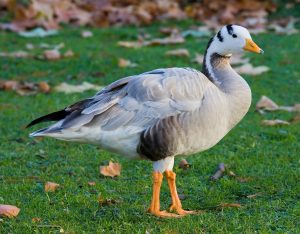
    Every year in May and October, we celebrate World Migratory Bird Day, which shines a light on the challenges that migratory birds face during their incredible journeys. These tiny adventurers travel hundreds, even thousands, of miles each year. Some soar at altitudes as high as 30,000 feet, a record achieved by the bar-headed goose. Along their travels, migratory birds must steer against fluctuating weather, habitat loss, and various other threats.

    Bar-headed goose: a record 30,000-foot flyer
    Bar-headed goose: a record 30,000-foot flyer. Image courtesy of wikipedia.org

    This year’s theme, “Protect Insects, Protect Birds,” highlights the crucial role that insects play in the lives of these birds. Insects are vital energy sources, especially during breeding seasons and long migrations, directly impacting the timing and success of their journeys. A decline in insect populations can weaken birds’ immune systems, leading to higher mortality rates.

    Unfortunately, insect populations are declining due to factors such as intensive agriculture, urban development, light pollution, and the use of pesticides. By addressing these issues, we can help support both insect and migratory bird health.

    The migration of these birds exemplifies the beauty of endurance and adaptability—traits essential to all life on our planet. However, they depend on safe ecosystems for food, rest, and shelter along their routes. Supporting World Migratory Bird Day means advocating for conservation efforts that protect these vital ecosystems and their inhabitants.

    In 2024, World Migratory Bird Day was observed on May 11 and October 12, with art playing a significant role in the day’s activities. 

    National Ride to Work Day (October 18): Pedaling Towards a Healthier Planet

    What better way to show appreciation for the environment than by swapping four wheels for two? National Ride to Work Day, celebrated in Australia and beyond, encourages commuters to leave their cars at home and cycle to work instead. This movement, which began in 1994, has inspired over 60,000 participants in recent years to get outside, stay active, and reduce their carbon footprint.

    Riding a bike instead of driving has numerous environmental benefits, including lower greenhouse gas emissions and reduced air pollution in our cities. It’s also a healthier choice, helping to reduce stress and improve physical fitness. Beyond individual benefits, more cyclists on the road mean less traffic congestion and cleaner air—a win for everyone. National Ride to Work Day reminds us that our daily choices, even how we commute, can have a significant impact on our planet.

    Conclusion

    These October celebrations invite us to think about how we share our world with other species and the role each of us can play in creating a healthier, more vibrant planet. Observing World Migratory Bird Day helps protect our natural heritage while participating in National Ride to Work Day reduces our environmental footprint. So whether you’re counting birds, marvelling at migratory flocks, or pedalling to work, remember: that small actions add up, making a big difference in our collective journey toward conservation.

  • Understanding Climate Change: A Short Article on Preserving the Planet

    Understanding Climate Change: A Short Article on Preserving the Planet

    The factors contributing to climate change are interconnected and complex. Emissions of greenhouse gases, deforestation, and unsustainable farming practices have led to significant climatic changes, extreme weather events, and the depletion of ecosystems. Raising awareness about climate change and its impacts is important for promoting a culture of sustainability and conservation. In this article, we will discover the key issues related to climate change and discuss how individuals can take action to mitigate its effects.

    What is Climate Change?

    Climate change refers to long-term alterations in temperature, precipitation, wind patterns, and other elements of the Earth’s climate system. These changes are primarily driven by anthropogenic activities (human-caused or influenced activities that can impact the environment), such as the burning of fossil fuels, deforestation, and industrial development, which significantly impact the environment. According to the Intergovernmental Panel on Climate Change (IPCC), the Earth’s temperature has increased by approximately 1.1 degrees Celsius since the late 1800s. This warming trend is linked to an increase in the intensity and frequency of extreme weather events, rising sea levels, and shifts in ecosystem distribution.

    Impact on the Environment

    1. Biodiversity Loss: Climate change poses a significant threat to many species, leading to habitat destruction, altered migration patterns, and increased risk of extinction. As ecological stability declines, the delicate balance of life on our planet is jeopardized.
    2. Extreme Weather Events: Rising temperatures contribute to a higher frequency of extreme weather events such as cyclones, droughts, and floods. These natural disasters not only disrupt communities but also inflict severe economic damage, resulting in the loss of livelihoods and essential resources.
    3. Ocean Acidification: The oceans often absorb excessive carbon dioxide, causing acidification that threatens marine life, particularly coral reefs. These ecosystems are crucial for the survival of countless species and play a vital role in maintaining ocean health.
    4. Water Scarcity: Changing precipitation patterns impact the availability of fresh water, significantly affecting agricultural and domestic water use. Regions that were once productive may become barren, exacerbating hunger and food insecurity.

    What Can We Do?

    • Cut Down on Carbon Emissions: Making simple changes in your daily routine can significantly reduce carbon emissions. Consider walking, biking, or taking public transportation. Embrace a green home policy by investing in energy-efficient appliances and utilizing renewable energy technologies.
    • Practice Green Advocacy: Support organic farming and environmentally friendly policies related to forest use. Prioritize buying food from local producers and choose products that are environmentally certified. Learn more
    • Inform and Mobilize: Educate your family and friends about the causes and consequences of climate change. Join volunteer groups to lobby for climate-friendly legislation and spread awareness in your community.
    • Help in Environmental Protection: Get involved with local environmental organizations by participating in clean-up efforts or tree-planting initiatives. Every action, no matter how small, contributes to the fight against global warming.

    Addressing climate change requires a united effort and a commitment to sustainable practices. While the challenge is significant, positive change can occur at both individual and community levels. By understanding the impact of our actions on the environment, we can take steps to mitigate these effects and work towards a healthier planet. Let us come together to take action for our Earth, demonstrating that our collective efforts can truly make a difference.

  • The Impact of Population Growth on Conservation Efforts

    The Impact of Population Growth on Conservation Efforts

    One of the core issues of humanity as we move deeper into the 21st century: is the increasing human population and the need to protect the environment. The world population has surpassed 8 billion and continues to grow at an alarming rate. It is projected to reach 9 billion, and this growth leads to higher demand for resources, space, and infrastructure, putting immense pressure on wildlife and natural habitats. Understanding population growth and finding ways to manage it, along with its impact on conservation, is crucial for ensuring the sustainability of both humans and the diverse species that share our planet.

    Habitat Loss and Fragmentation

    One effect of population increase is habitat decline. As cities grow and farmland expands to feed more people, natural environments are depleted. Vast areas of forests, wetlands, and grasslands are converted into urban zones, roads, and farmland. This results in habitat fragmentation, where space is divided into smaller, isolated patches. Fragmentation weakens species’ ability to disperse, mate, and access resources, leading to a decline in biodiversity.

    For instance, the Amazon rainforest, often called the “lungs of the earth,” loses nearly one-fourth of its forest cover to agriculture and timber cutting. This not only risks the existence of millions of plant and animal species but also affects global carbon cycling, contributing to climate change.

    Overexploitation of Resources

    A growing population demands more resources such as water, timber, and minerals. Overexploitation refers to the situation where these resources are used in a way that leads to their depletion and environmental pollution. For example, overfishing has reduced the biological integrity of marine ecosystems, as many fish species have failed to regain their original numbers due to overexploitation.

    The common use of firewood and other forest-related products can sometimes have damaging effects on these resources, particularly in the developing world, leading to deforestation, soil erosion, and loss of other ecosystem functions. Such activities also impact communities that depend on these wildlife-related resources for food and income.

    Pollution and Climate Change

    An increase in population not only leads to increased waste and pollution but also affects various sectors. Production processes, mobility, and farming are some of the areas through which emissions of pollutants to the atmosphere, water, and land are observed. Water pollution, for instance, affects aquatic life, from minute plankton to mighty whales.

    Population increase is one of the main causes of climate change. Exacerbated energy utilization and changes in land use contribute to high emissions of greenhouse gases, leading to global warming. Global warming intensifies risks that directly impact endangered species, such as deforestation, and causes unprecedented issues like fluctuating climatic conditions and the gradual emergence of floods.

    Conservation Strategies in a Growing World

    Despite these challenges, there are strategies and actions that can help mitigate the impact of population growth on conservation efforts:

    1. Sustainable Development: There is a need for change in how land is used, emphasizing sustainable practices that protect the environment while meeting society’s needs. This includes initiatives such as sustainable farming, responsible use of forest resources, and designing cities with provisions for fresh air corridors and wildlife habitats.
    2. Protected Areas: The creation and proper stewardship of protected areas can help preserve fragile ecosystems and other living species. Forming complex groupings of protected areas with ecological bridges can also reduce the impact of fragmentation.
    3. Community Involvement: Involving local people in conservation work is important to understand their needs and perspectives. Community-level conservation projects have been documented to yield positive results in various regions worldwide, as individuals are placed at the centre of natural resource conservation efforts. Learn more
    4. Education and Awareness: Research and education are crucial, as people need to learn about the increasing necessity for conservation and the effects of population growth. Education programs can instil a sense of responsibility and promote pro-ecological behaviour.
    5. Policy and Legislation: Governments need to develop effective environmental policies and enforce measures concerning the use of resources. International cooperation is also important in addressing environmental issues such as climate change.

    The question of population growth and its effect on conservation can be viewed from different angles. Understanding the mutual interdependence of population factors and the environmental situation can help prescribe balanced development programs that will protect the planet’s unique biota. We should always remember that the world we live in belongs to both the present generation and future generations. Therefore, it is our moral obligation to protect the world for them and for all living species. If people with knowledge and understanding join hands, then progressive human growth and the preservation of the natural world are possible solutions to these challenges.

  • Nigeria’s minister of environment delivers keynote at first international conference on afforestation and reforestation in Congo

    Nigeria’s minister of environment delivers keynote at first international conference on afforestation and reforestation in Congo

    Balarabe Abbas Lawal, Nigeria’s Minister of Environment, delivered an impactful speech at the inaugural International Conference on Afforestation and Reforestation, held from July 2nd to 5th, 2024. Representing President Bola Ahmed Tinubu, Lawal highlighted the urgent need for collective action to combat deforestation and promote sustainable forest management.

    In his remarks, Lawal emphasises the role forests play in maintaining ecological balance, preserving biodiversity, and supporting millions of livelihoods. He pointed out the alarming rate of deforestation in Africa, where nearly 4 million hectares of forests are lost annually—almost double the global average. This rapid deforestation, driven by population growth, agricultural expansion, urbanisation, and illegal logging, calls for immediate and ambitious regional action.

    Lawal praised the choice of Congo for the conference, given its significance in the global deforestation crisis. He emphasised the importance of regional and global cooperation in developing innovative strategies for afforestation and reforestation to restore degraded lands, enhance biodiversity, and mitigate climate change impacts.

    Highlighting Nigeria’s efforts, Lawal announced the recent approval of $8.5 million under the Presidential Initiative on Afforestation. These funds aim to restore degraded forests and critical landscapes across the country. Nigeria’s ongoing programs, such as the Great Green Wall Pan African Program and Agro-Climatic Resilience in Semi-Arid Landscapes (ACReSAL), have already restored over 1.5 million hectares of degraded forests, created over 3 million jobs, and empowered more than 200,000 forest community members.

    Lawal also mentioned the interim suspension of wood-based product exports to reassess and implement a sustainable forest management system. He reaffirmed Nigeria’s commitment to global and regional agreements on sustainable forest management, including the COP27 Africa and Global Decade of Afforestation and Reforestation, COP26 Glasgow Leaders’ Declaration on Forests and Land Use, and the upcoming COP28.

    Concluding his speech, Lawal stressed the collective responsibility of governments, NGOs, private organizations, civil societies, and communities in increasing global forest cover. He congratulated President Denis Sassou Nguesso for hosting the historic conference and expressed optimism about the conference’s catalytic effect on global afforestation efforts.

    “As we strive together to increase the global forest cover, we shall indeed make our planet a safer place for us and future generations,” Lawal stated.

    The conference, organized under the auspices of the African Union and United Nations Forum on Forests, marks a significant milestone in the fight against deforestation and climate change, bringing together leading experts, policymakers, researchers, and practitioners to share knowledge and foster collaborations for a sustainable future.